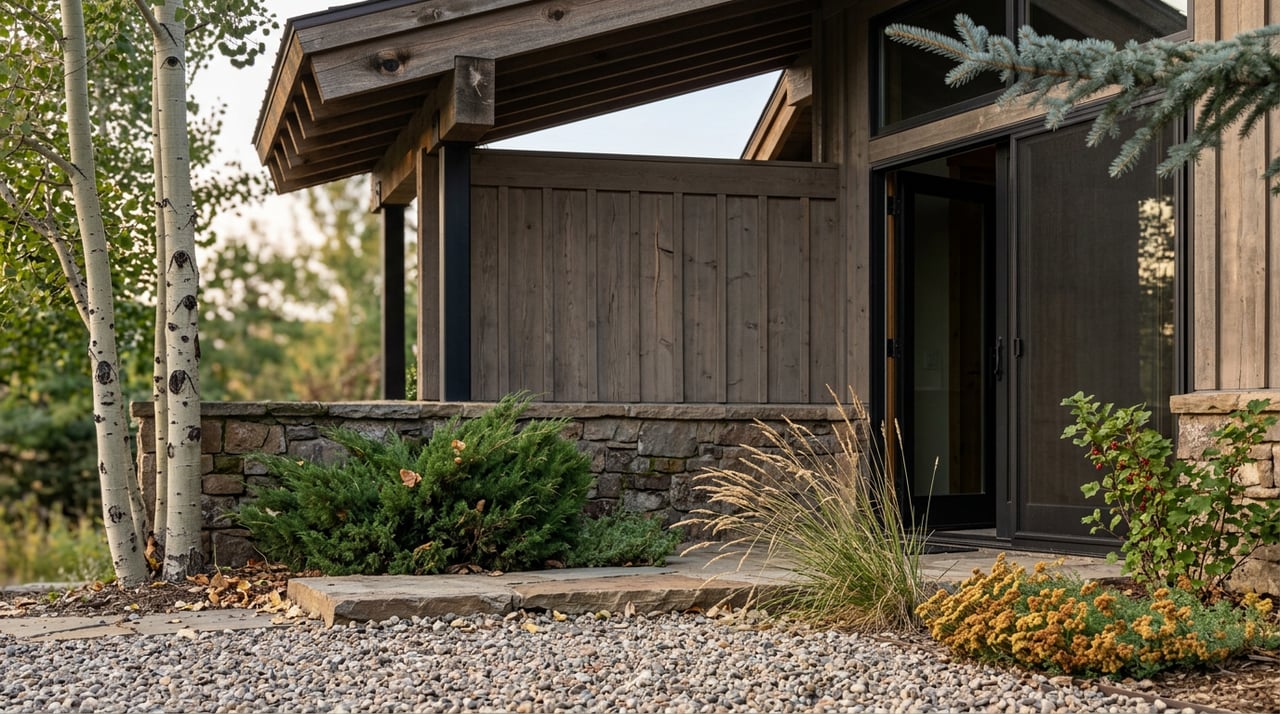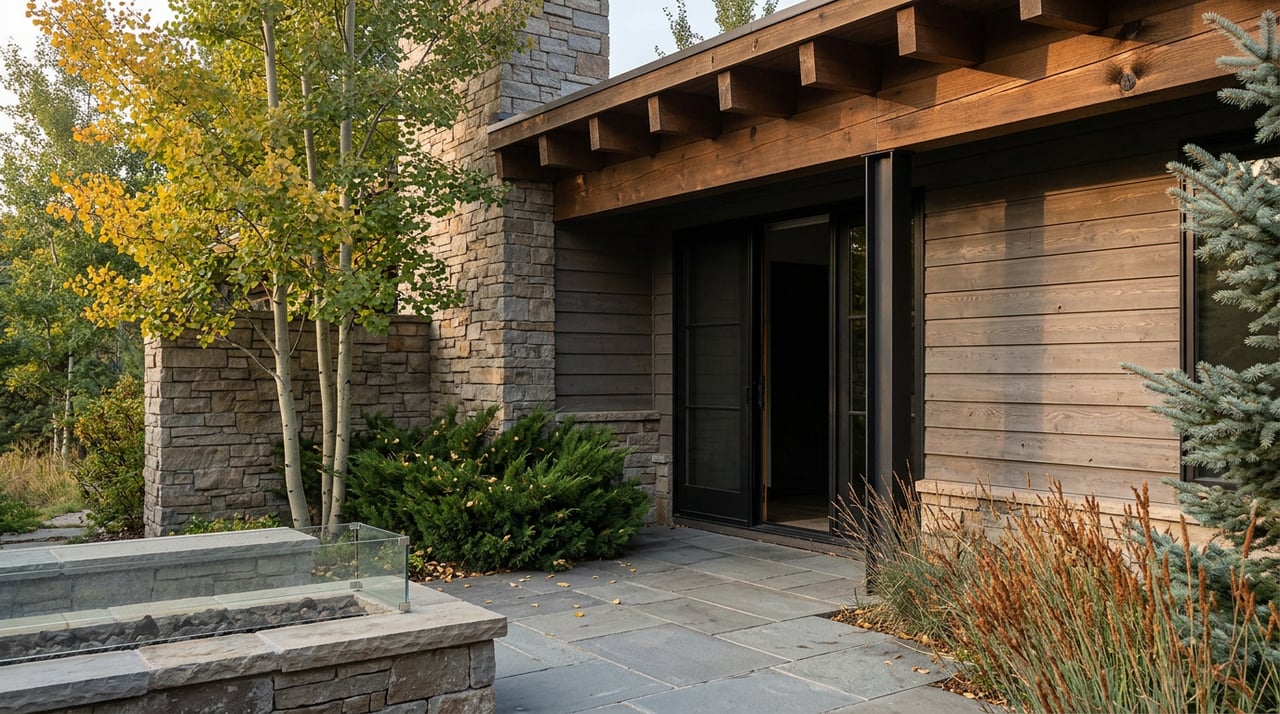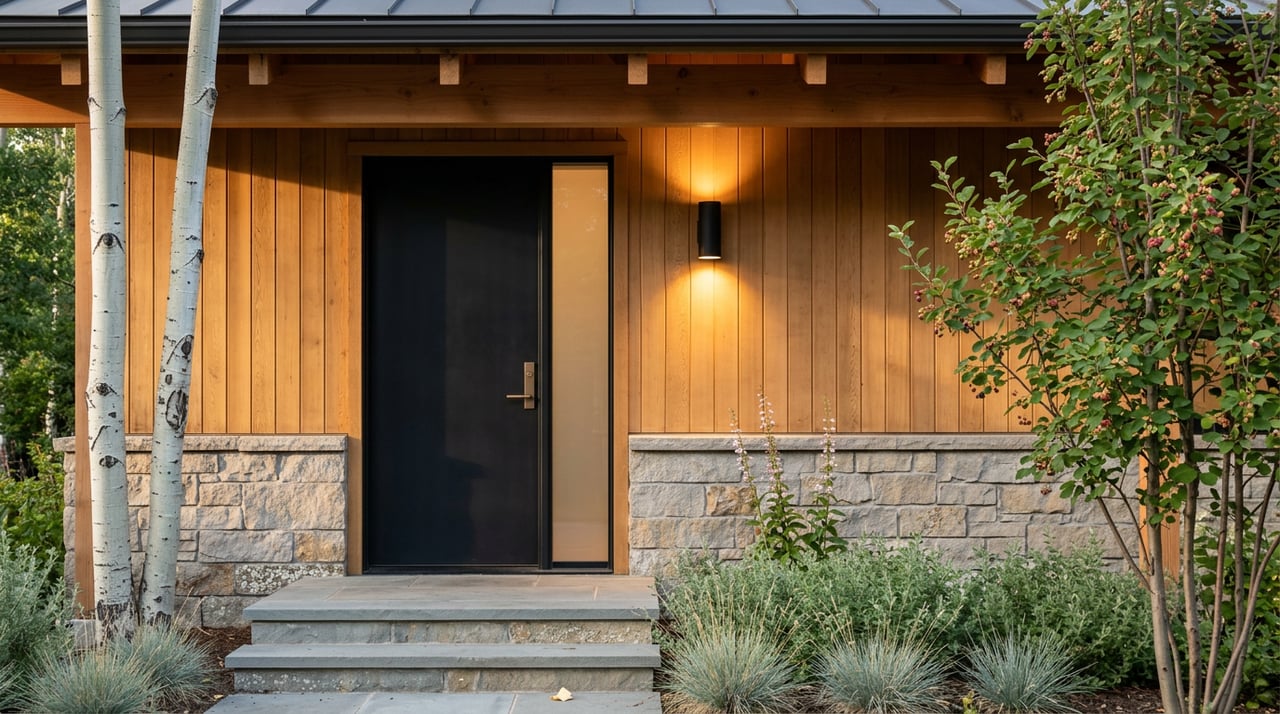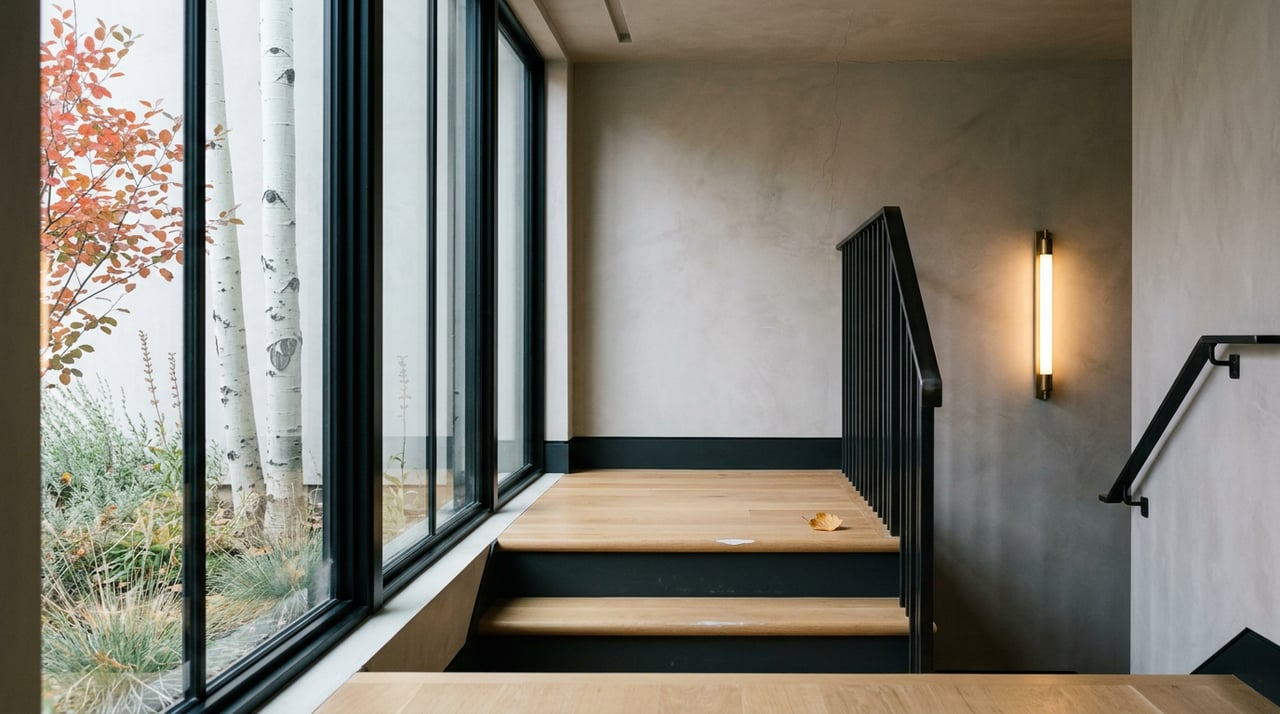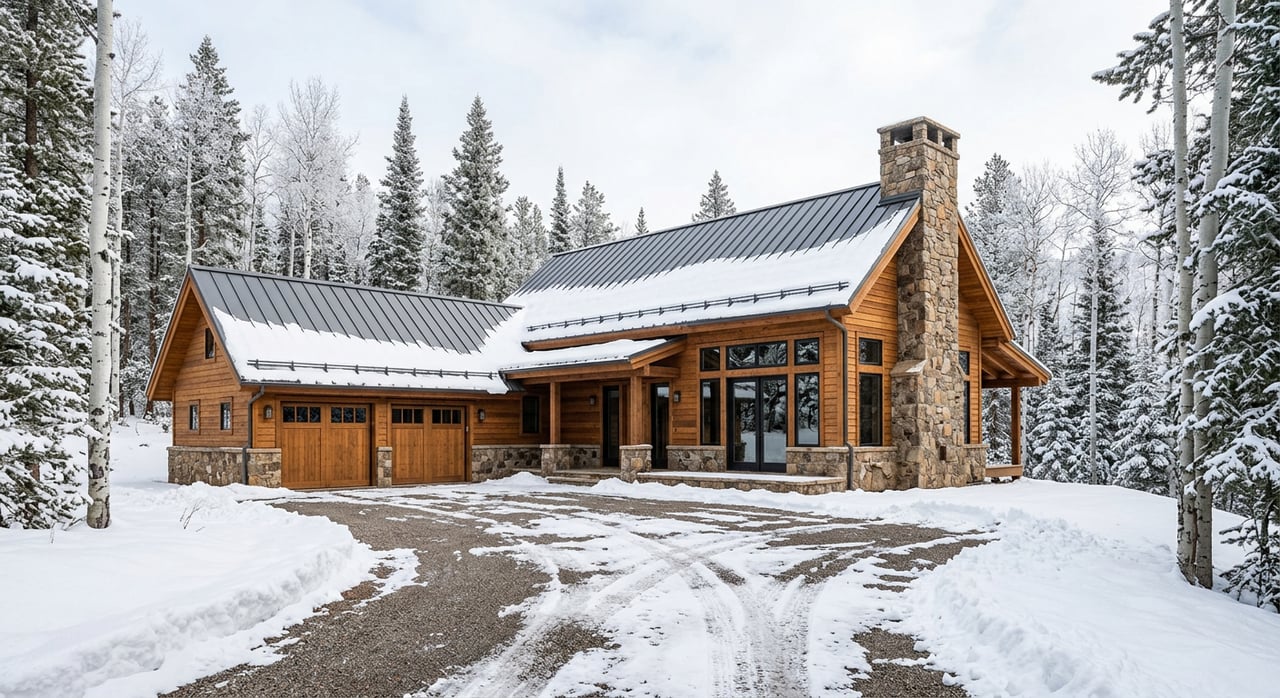
You picture waking up to a quiet ridge, the air cool and pine-scented, with deer moving through the aspens below your deck. In Timber Lakes, that picture is real, but daily life also includes gate logistics, mountain roads, and a few smart systems that make everything smoother. If you are weighing a cabin here, this guide shows you how owners actually live day to day, what routines to expect in each season, and the checks to run before you buy or build. Let’s dive in.
Timber Lakes in context
Timber Lakes is a private, gated mountain enclave about seven miles east of Heber City in Park City MLS Area 38. The community feels like a true mountain neighborhood, with roughly 1,400 lots and about 1,000 cabins spread across forested hillsides. Elevations sit near 7,700 to 7,800 feet, which shapes weather, access, and winter routines.
From the gate, plan about 20 to 25 minutes to Heber City, roughly 35 to 50 minutes to Park City or Deer Valley depending on conditions, and around 65 to 75 minutes to Salt Lake City International Airport. Expect real mountain driving when storms roll in, especially on early mornings and late evenings. For a quick market and drive-time overview, see the neighborhood guide for Timber Lakes on Park-City.com.
The gated mountain routine
Timber Lakes roads and amenities are private. Only owners and their invited guests can enter and use common areas. That means you plan visitor access, delivery windows, and contractor entries ahead of time.
Daily rules are simple but important: vehicle permits for recreational rigs, no parking on roads, and lower speed limits in winter. Quiet hours apply, and violations can bring penalties or booting. Before you host a crowd or schedule a delivery, review the association’s Rules and Visitor Guidelines.
Four-season living and play
Owners use Timber Lakes as a base for hiking, mountain biking, horseback riding, and ATV rides in the warmer months. In winter, snowmobiling, cross-country and backcountry skiing, and day trips to Park City are common. Access to public land and designated snowmobile easements exists, but it is not a free-for-all. You need to honor marked trails and neighboring private land. The association’s living guide outlines the basics of trail access, guest logistics, and winter etiquette in the mountains. It is a great primer for life at altitude. Read the Living in the Mountains guide.
Utilities and services you plan around
Water and septic
Culinary water comes from small mountain springs managed by the Timber Lakes Water Special Service District. Outdoor irrigation is restricted because sources and storage are limited. Plan your landscape choices and any hot tub use with conservation in mind. For system details and planning context, review the district’s water management plan.
There is no centralized sewer. Homes use on-site septic systems that require county approvals. On steeper or rockier lots, you may need an alternative design, which can add time and cost. Start early with soils and percolation testing, and contact Wasatch County for permitting steps and approvals using the county’s building permit instructions.
Power, heat, and connectivity
Heber Light & Power serves the area. Outages can occur during strong storms, so many owners plan backup power with generators or battery systems. Confirm service boundaries and plan ahead using the utility’s service territory page.
Most homes heat with propane since there is no natural-gas main. The association advises filling tanks before mid-October because large deliveries get harder in deep snow. Burying tanks and keeping chimneys maintained are common best practices. Coverage for cell and wired broadband varies by street. Some owners use Starlink or other satellite and fixed-wireless as a fallback. Always verify service at the exact address. The association’s Living in the Mountains guide is a helpful checklist for heat, power, and communications.
Trash, mail, and deliveries
There is no curbside trash pickup. Owners use central dumpsters near the gate, and you must haul construction debris to the county landfill. Mail is not delivered to each lot. You will set up a Heber P.O. box or a community mailbox near the entrance. Parcel carriers vary in consistency because of the gate. Confirm carrier policies and gate access before you rely on deliveries. Find the basics in the Living in the Mountains guide.
Winter driving, roads, and snow
Roads include a mix of paved stretches and many miles of gravel. Some are steep and narrow. In winter, the association plows with a priority system. During big storms, lower-priority roads can take longer to clear, and you are responsible for your driveway. Four-wheel drive or chains are standard on snow-packed roads, and winter speed limits are lower for safety. Reviewing the Living in the Mountains guide before your first storm week is time well spent.
Weekday vs. weekend rhythm
Timber Lakes has a strong second-home pattern. Weekdays outside holidays feel quiet, with owners making grocery runs into Heber and tackling small projects. Holiday weekends and powder days bring more activity. This rhythm comes through in local water planning, which tracks a higher share of seasonal occupancy. If you want peaceful weekdays and lively holiday energy, this mix works well. See occupancy context in the water district’s planning document and day-to-day feel in the Timber Lakes neighborhood guide.
Buying or building: your verification checklist
Use this quick list to organize due diligence before you write an offer or draft plans.
- Buildability: Ask Wasatch County Planning about geologic, slope, stream, or wetland limits. Review submittal needs using the county’s permit instructions.
- CC&Rs and assessments: Request current association rules, architectural guidelines, and dues. Start with the Rules and Visitor Guidelines and contact the association for the latest fee schedule.
- Water and meters: Confirm connection status, rates, and outdoor-use limits with the Water SSD. The water plan outlines sources and constraints.
- Mail and packages: Verify mailbox options at the gate and each carrier’s gate protocol. See the Living in the Mountains guide.
- Internet and cell: Test coverage at the exact address and price satellite or fixed-wireless backups if needed.
- Winter access: Ask the association about plow priority for the lot’s road. Plan for 4WD or chains and driveway clearing responsibilities.
- Wildfire and insurance: Check your address on the state’s UWRAP map and speak with your insurer about coverage and mitigation needs using the Utah WUI Risk portal.
- Emergency services: Note Wasatch County Fire response realities for winter conditions and create defensible space. See local guidance in the Wasatch Fire District plan chapter.
Wildfire readiness and insurance
Like many mountain communities, Timber Lakes sits in a wildland-urban interface. Wasatch County Fire provides service, but response times can lengthen during heavy snow or on steep roads. Owners are encouraged to create defensible space, service chimneys, and keep propane systems in good condition. Utah’s WUI Risk portal helps you review risk designations that may shape mitigation steps and insurance terms. Explore your address on the UWRAP high-risk map and consult your insurer early. Local guidance lives in the Wasatch Fire District plan chapter.
A sample day in Timber Lakes
Morning: You check the overnight snow total and the association’s plow updates, then fire up the generator test and shovel the deck while coffee brews. If the road is clear, you drop a trash bag at the gate dumpsters on the way to Heber for groceries and a propane top-off.
Afternoon: Back home, you meet a contractor at the gate and ride up together. After lunch, you tour a marked trail and ease into a slow snowmobile lap, keeping to designated routes. A neighbor swings by with a friendly wave.
Evening: The wind picks up. You park off the road, charge headlamps, and bring a few extra logs inside. With dinner on and the sky clear, you see more stars than lights, then check tomorrow’s forecast before bed. It is quiet, practical, and deeply relaxing.
Is Timber Lakes right for you?
If you want privacy, four-season access, and a true mountain neighborhood, Timber Lakes delivers. Daily life is straightforward when you plan for the gate, winter roads, propane, and deliveries. The payoff is big views, a slower rhythm, and trail days that start at your door.
If you are ready to explore properties, lot feasibility, or second-home financing options like DSCR and asset-depletion structures, connect with a local guide who blends lifestyle insight with practical dealcraft. Reach out to Wayne Levinson to schedule a personalized Park City property consultation.
FAQs
What and where is Timber Lakes?
- Timber Lakes is a private, gated subdivision about seven miles east of Heber City in Park City MLS Area 38, set around 7,700 to 7,800 feet with a neighborhood feel of roughly 1,400 lots and about 1,000 cabins.
How long are the drive times from Timber Lakes?
- Typical estimates from the gate are 20 to 25 minutes to Heber City, 35 to 50 minutes to Park City or Deer Valley in winter, and 65 to 75 minutes to Salt Lake City International Airport, per the Park-City.com neighborhood guide.
How does water and outdoor use work in Timber Lakes?
- Culinary water comes from mountain springs and outdoor irrigation is restricted due to limited sources and storage; review details in the Water SSD’s planning document.
What should I expect for winter road access and plowing?
- The association plows roads by priority, lower-priority roads can take longer after big storms, you clear your own driveway, and 4WD or chains are standard on snow-packed roads; see the Living in the Mountains guide.
How do mail and packages work in Timber Lakes?
- There is no lot-by-lot mail delivery; you will use a P.O. box or a community mailbox at the gate, and parcel carriers vary due to gate access, so confirm each carrier’s policy.
Can I build on any lot in Timber Lakes?
- Not always; some lots have geologic, slope, or stream constraints, and all septic systems need county approvals, so start with Wasatch County’s permit instructions and soils testing.
What internet and cell options should I plan for?
- Coverage varies by street; verify service at the exact address and consider satellite or fixed-wireless as a backup if wired options are limited, per the association’s living guide.
What is the wildfire risk and insurance outlook?
- Timber Lakes lies in a wildland-urban interface; check your address on the state’s UWRAP map and consult your insurer on premiums, coverage, and mitigation requirements.
Who provides electricity and what is common for heat?
- Heber Light & Power serves the area and most homes heat with propane; many owners fill tanks before mid-October and maintain chimneys for safety, per the association’s living guide and the utility’s service territory.