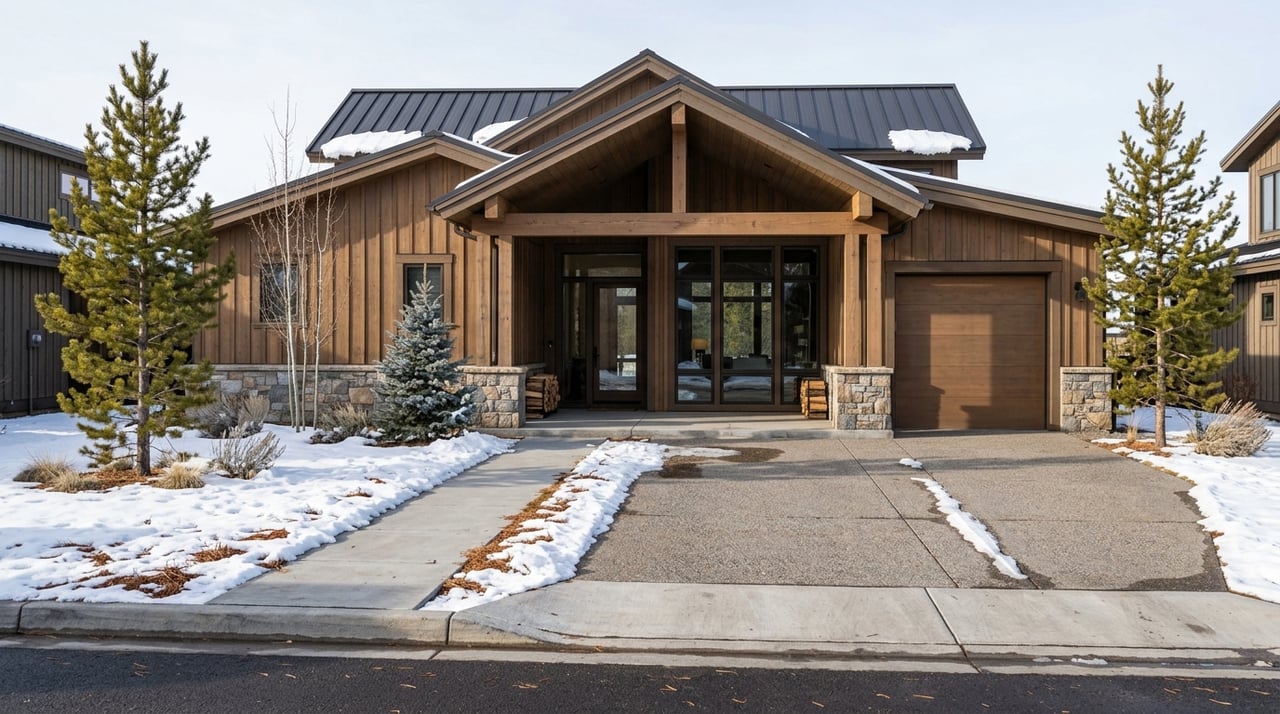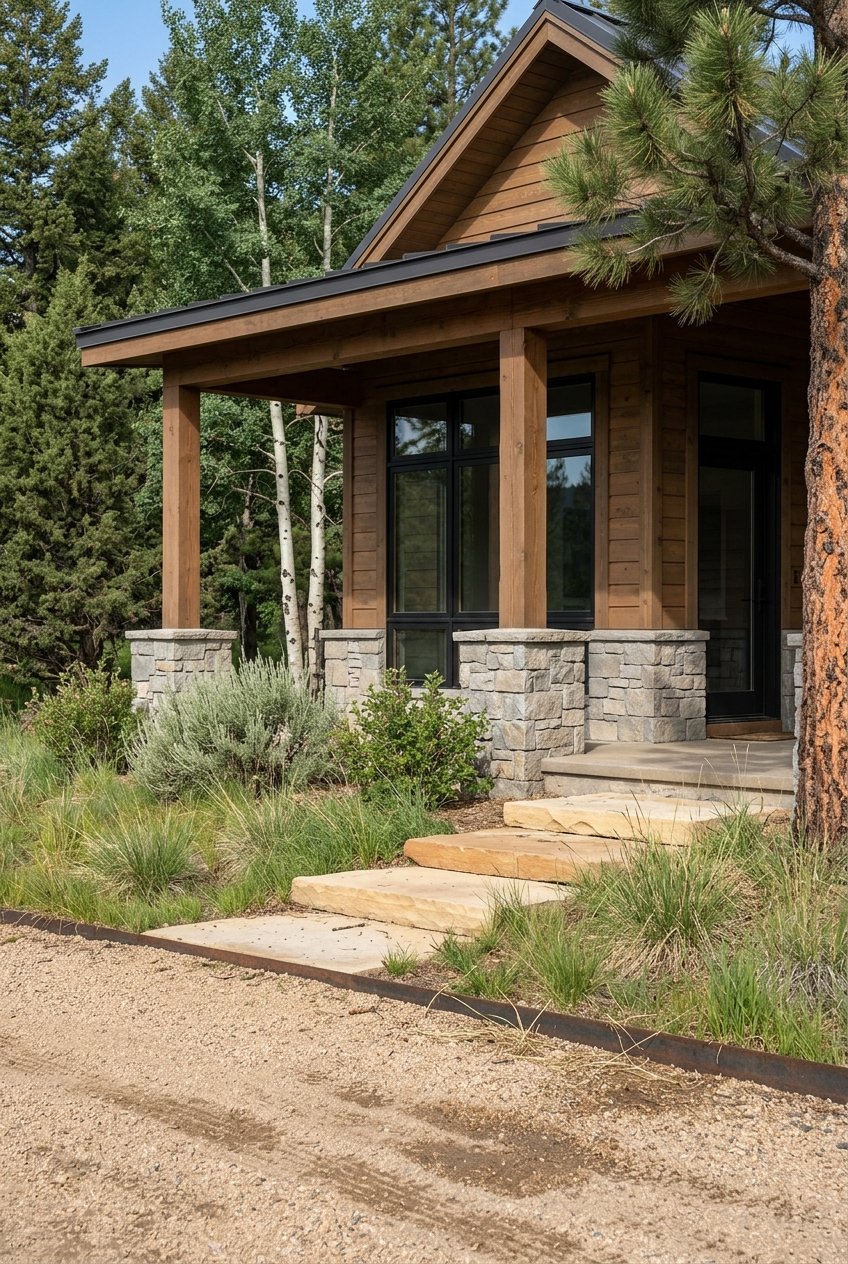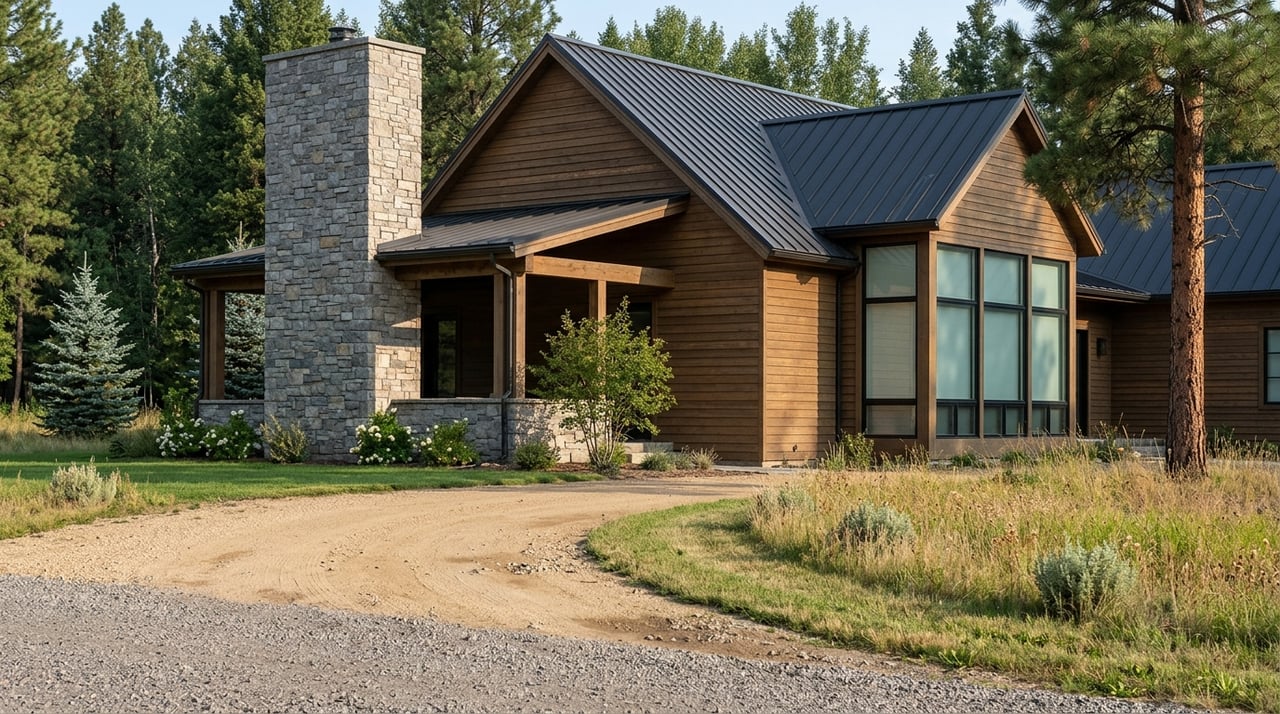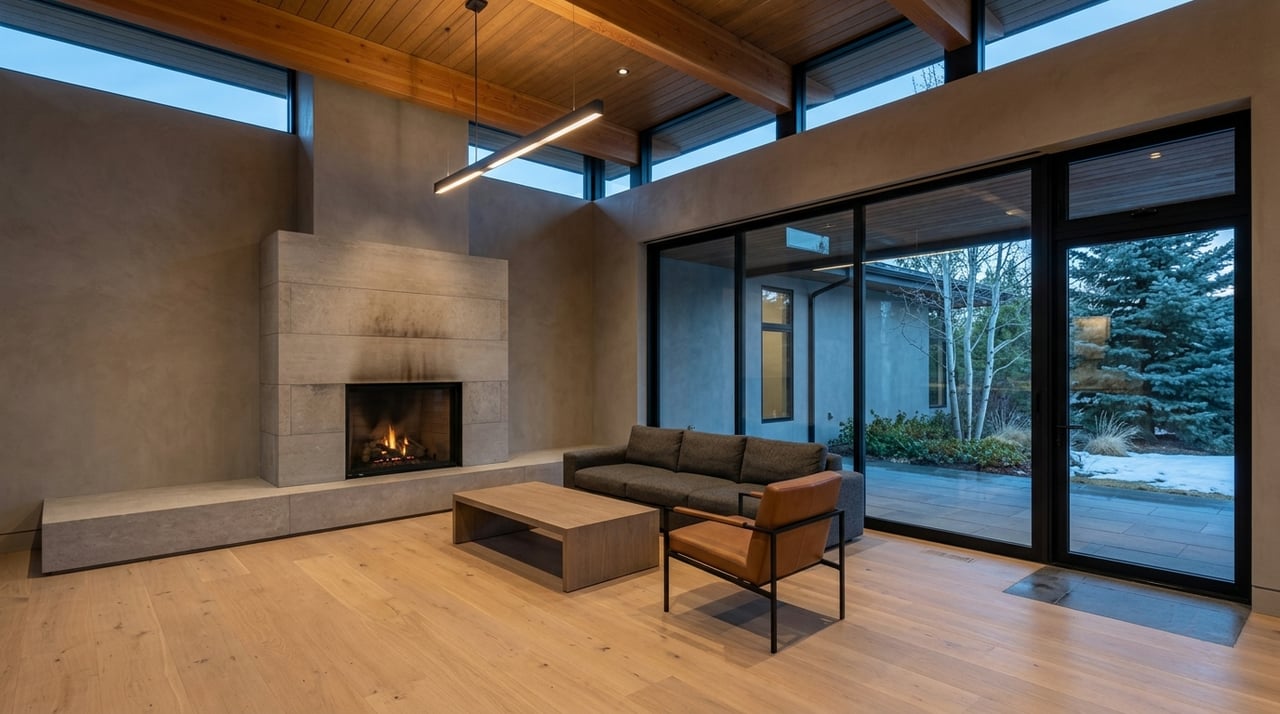
What kind of ownership experience do you actually want in Deer Valley East Village: a private home base with more of a residential feel, or a hotel-backed residence with layers of service built in? That question matters even more here because East Village is not a finished neighborhood. It is an active resort expansion with new terrain, new buildings, and later phases still to come. If you are comparing new construction to branded residences, this guide will help you sort through design, services, governance, and rental flexibility so you can make a more confident decision. Let’s dive in.
Deer Valley East Village Is Still Evolving
Deer Valley East Village is the new base village and portal for Deer Valley’s expansion along U.S. Route 40, developed with Extell. Deer Valley says the full buildout is planned to include nearly 1,700 residential units, 800 hotel rooms, 250,000 square feet of retail and commercial space, and 68,000 square feet of recreation.
As of the 2025/26 season, Deer Valley reports 7 new chairlifts, nearly 80 new ski runs, and more than 4,300 skiable acres, with additional phases still ahead. For you as a buyer, that means you are evaluating properties in a district that is actively changing, not a fully settled resort village.
That point matters because public renderings and amenity summaries can evolve over time. In East Village, the safest approach is to verify delivery, access, and amenity rights in recorded documents and purchase materials rather than relying on marketing language alone.
Two Main Ownership Paths
In Deer Valley East Village, buyers are generally comparing two distinct product types. One is private new construction in a community setting. The other is a branded residence tied to a hotel or hospitality operator.
A good example of private new construction is Marcella Landing. Branded residence examples include Four Seasons Private Residences Deer Valley and Grand Hyatt Deer Valley residences.
Private New Construction: Marcella Landing
Marcella Landing is positioned as a residents-only lifestyle club rather than a hotel brand. Marcella describes it as a gated community of 50 private residences designed by Olson Kundig, with direct ski access and an included Marcella Ski Membership for each residence.
The first available floor plans are described at about 5,000 square feet, fully furnished, and offered in two interior palettes tied to the seasons. That presentation gives the product a more architecture-led, home-focused identity than a typical hotel residence.
For many buyers, the biggest practical detail is rental use. Marcella states that Landing is the only Marcella offering that allows nightly rentals, which makes it especially relevant if you want a second home that may also serve as an income-producing asset.
Branded Residences: Four Seasons and Grand Hyatt
Four Seasons Private Residences Deer Valley is a mixed hotel-and-residence development. The public site says it includes 134 guest rooms, 55 hotel residences, and 68 private residences, along with more than 60,000 square feet of indoor and outdoor amenities.
Owners are promised a Four Seasons Elite Membership, 24-hour doorman and concierge, ski lounge and lockers, ski valet, tuning and bootfitting, spa facilities, pools, and rooftop amenities. The feel is highly managed and service-rich, which can be very appealing if you want a turnkey ownership experience.
Grand Hyatt Deer Valley opened on November 20, 2024, and Hyatt said the resort includes about 436 accommodations, including 55 residences. Hyatt positions the residences as luxury vacation rental condos with fully equipped kitchens, spa-inspired bathrooms, terraces in most residences, and modern mountain design.
Grand Hyatt also leans heavily into hotel-style services and programming, including concierge, valet parking, Camp Hyatt, ski storage, and on-site skier services. In simple terms, branded residences in East Village tend to feel more like a luxury hospitality product than a traditional neighborhood purchase.
How Design and Finishes Feel Different
One of the first differences buyers notice is how each product tells its design story. Marcella emphasizes Olson Kundig design, furnished private homes, and a more residential look and feel.
Four Seasons highlights ODA design, handcrafted materials, and a polished branded framework. Grand Hyatt emphasizes mountain-modern finishes with metals and stone, packaged in a hotel-forward format.
For you, that often translates into a lifestyle question. Do you want something that reads more like a private home, or something that feels more like a luxury residence attached to a resort operation? Public-facing product descriptions suggest that private new construction tends to feel more custom and residential, while branded residences tend to be more standardized and turnkey.
Services and Ownership Experience
If daily convenience is a top priority, branded residences usually have the edge. Four Seasons highlights 24/7 concierge, ski valet, bootfitting, spa access, pools, and rooftop lounge spaces.
Grand Hyatt also offers a deep service stack, including concierge, valet, ski butler-style support, skier services, dining, and hotel programming. That can reduce friction for owners who want easy arrivals, smooth departures, and less hands-on property management.
Marcella offers a different kind of value. It centers on residents-only club access and ski membership rather than open hotel programming, which may appeal more if you value privacy, a quieter ownership experience, and a stronger sense of being in a private community.
Governance and HOA Structure Matter
Luxury buyers sometimes focus on finishes and views first, but governance can shape your ownership experience just as much. Marcella Landing’s public document portal includes declarations, bylaws, rules and regulations, a plat map, a budget, and HOA contact information.
Its rules state that the project is governed under the Utah Condominium Ownership Act and recorded in Wasatch County land records. That makes it a classic private-community and HOA structure, even within a larger resort environment.
Branded residence marketing is usually more focused on services and amenities than on governance details. For Four Seasons and Grand Hyatt, buyers should closely review the declaration, management agreement, and any owner-use restrictions before making assumptions about control, fees, or operational rules.
Rental Flexibility Is a Major Divider
For analytical second-home buyers and investors, rental flexibility may be the most important issue of all. Marcella Landing explicitly says it allows nightly rentals, and that makes it stand out within the East Village conversation.
In Utah, guidance defines a short-term rental as occupancy for fewer than 30 days. Wasatch County also has a specific short-term rental application form, and county enforcement categories include illegal short-term rental activity and operating without a business license.
That means your rental strategy should never be based on branding alone. If you are underwriting projected income, you should verify the declaration, rental clause, and county licensing path before relying on any projected use scenario.
Why Wasatch County Details Matter
Deer Valley East Village can create some confusion because some properties use a Park City mailing address. At the same time, recorded project documents for Marcella reference Wasatch County land records, and Wasatch County is the local licensing authority for businesses in unincorporated areas.
That is more than a technical detail. It affects how you should think about property records, short-term rental licensing, and the local framework that governs use.
For buyers, the takeaway is simple: always confirm which county records and local approval paths apply to the specific property you are considering. In a fast-evolving resort district, those local details matter.
Which Path Fits Your Goals?
The right choice depends on how you plan to use the property and what kind of ownership experience you want. In East Village, the difference is not just about branding. It is about control, services, rental rights, and how much operational support you expect.
If you want a more residential feel, design-led private ownership, and potentially stronger alignment with nightly rental goals, private new construction may be the better fit. Marcella Landing is the clearest example in the current East Village mix.
If you want a lower-friction ownership experience with concierge support, ski services, shared amenities, and a hospitality-driven lifestyle, branded residences may make more sense. Four Seasons and Grand Hyatt both fit that profile, though each should be reviewed carefully on its own documents and fee structure.
Smart Questions to Ask Before You Buy
Before you move forward with any East Village property, it helps to ask a few clear questions:
- Is the property part of a private HOA structure, a hotel-managed residence program, or both?
- What owner-use rules apply?
- Are nightly rentals allowed in the governing documents?
- What county licensing or business approval is required for short-term rental use?
- Which amenities are guaranteed in the purchase documents versus shown in marketing materials?
- How will future phases of East Village affect access, views, traffic flow, or the amenity mix?
Those questions can help you compare products on substance, not just presentation. In a phased luxury resort market, that is where better decisions usually happen.
If you are weighing new construction against branded residences in Deer Valley East Village, the smartest move is to compare the lifestyle upside with the actual ownership mechanics. That includes documents, fees, rental rules, and how each property fits your long-term goals. For tailored guidance on Deer Valley and the broader Park City resort market, schedule a personalized consultation with Wayne Levinson.
FAQs
What is Deer Valley East Village in Wasatch County?
- Deer Valley East Village is the new base village and portal for Deer Valley’s expansion along U.S. Route 40, with planned residential, hotel, retail, and recreation components that are still being built in phases.
What is the difference between new construction and branded residences in Deer Valley East Village?
- Private new construction generally offers a more residential ownership feel and community governance structure, while branded residences usually emphasize hotel-style services, shared amenities, and a more turnkey experience.
What is Marcella Landing in Deer Valley East Village?
- Marcella Landing is a gated community of 50 private residences with direct ski access, Olson Kundig design, included Marcella Ski Membership, and public governing documents recorded in Wasatch County.
What branded residences are available in Deer Valley East Village?
- Public examples discussed in East Village include Four Seasons Private Residences Deer Valley and the residences at Grand Hyatt Deer Valley.
Are nightly rentals allowed in Deer Valley East Village properties?
- Rental rights depend on the specific project documents and local approval path. Marcella Landing publicly states that it allows nightly rentals, but buyers should always verify declarations, rental clauses, and Wasatch County licensing requirements.
Why do Wasatch County rules matter for Deer Valley East Village buyers?
- Some East Village properties may use a Park City mailing address, but recorded documents and short-term rental licensing may still fall under Wasatch County, which can affect how ownership and rental use are regulated.
Are Deer Valley East Village amenities and plans final?
- East Village is still an active development, so buyers should treat amenity plans, renderings, and future phase descriptions as subject to change unless confirmed in recorded documents and purchase materials.