Thinking about a Park City home where powder mornings and alpine sunsets are part of daily life? The Mayflower Mountain area on the Wasatch County side offers that resort lifestyle with a practical edge for investors and second‑home buyers. You want clear guidance on ski access, rental potential, HOAs, and what to inspect in a high‑elevation market. This guide gives you a straightforward overview, key trade‑offs, and a due diligence checklist tailored to Mayflower so you can buy with confidence. Let’s dive in.
Where Mayflower Mountain fits
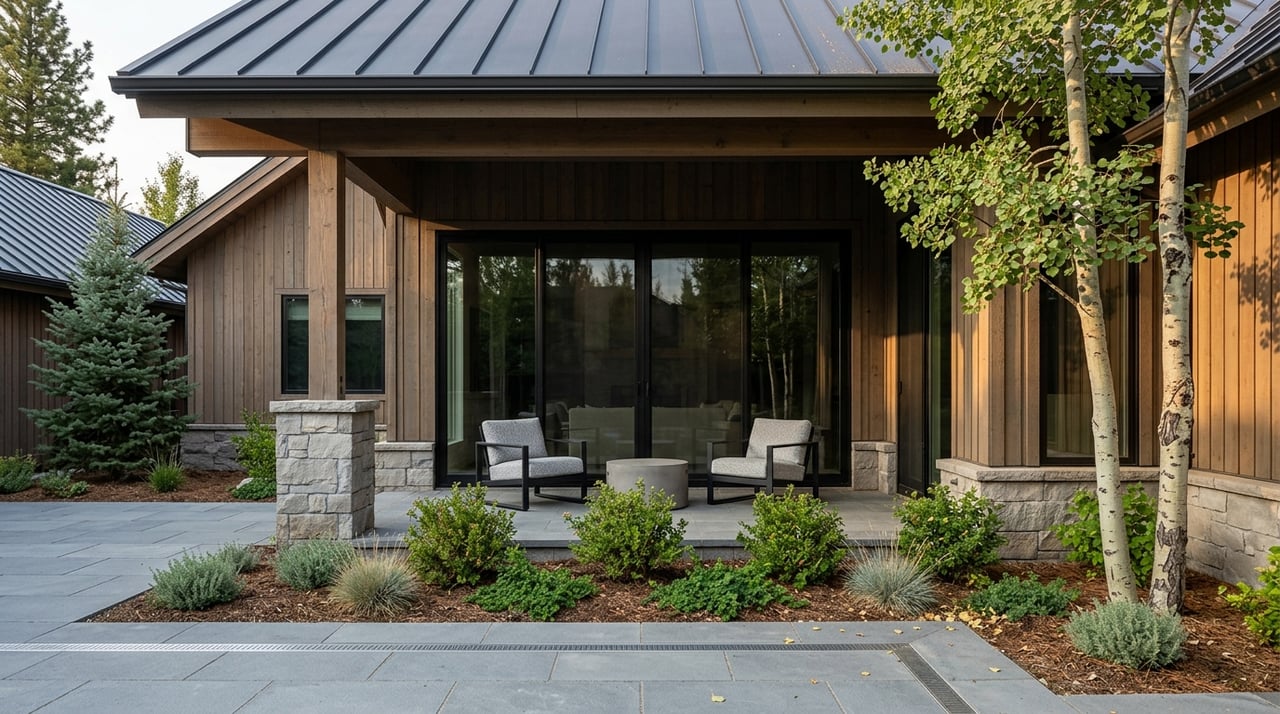
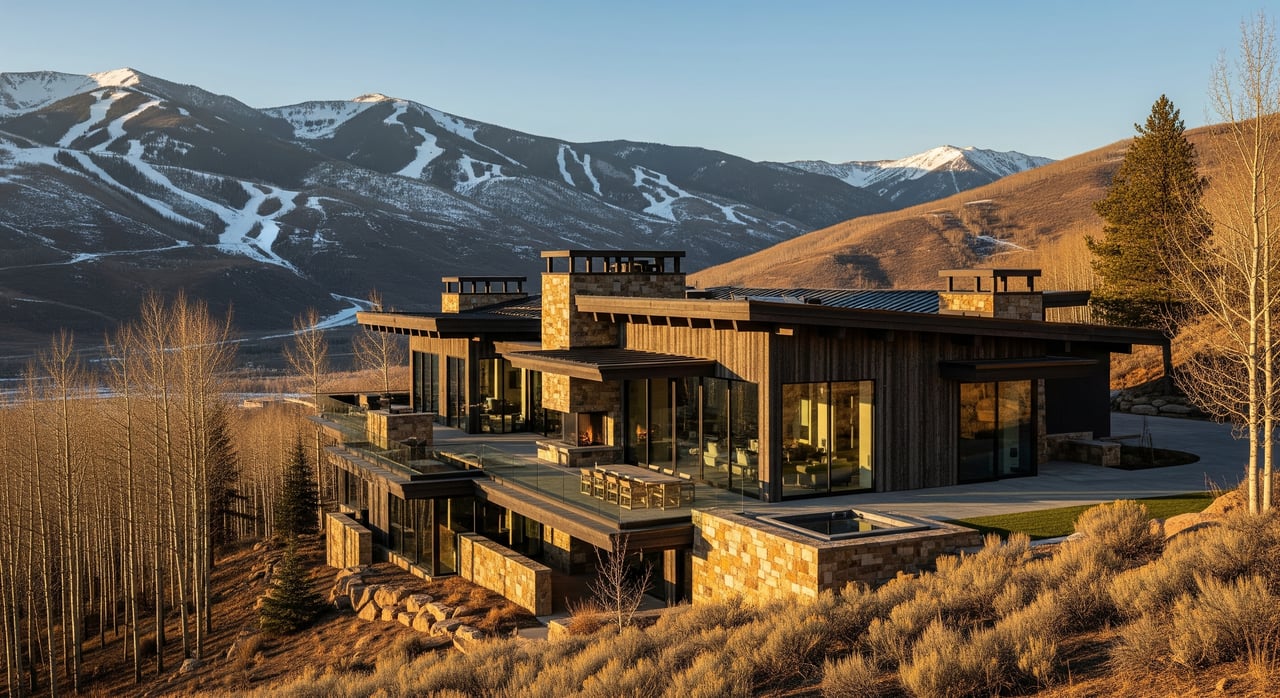
The Mayflower Mountain area sits on the Wasatch County side of the Park City resort region. You are close to major ski areas, trail networks, and resort amenities, while specific ski access varies by parcel and community. The housing stock is largely resort oriented, with condos, townhomes, and mountain single‑family homes. New builds and remodels are common near resort bases and along access roads.
Who buys here
Second‑home and investors
If you want a turnkey base for winter and summer, you will find many low‑maintenance options. Investor buyers often evaluate short‑term rental potential, which depends on local rules and the property’s HOA.
Remote workers and commuters
Some buyers live here full‑time and commute to Salt Lake City or work remotely. Proximity to trails and resorts blends well with a flexible schedule.
Luxury seekers and downsizers
Luxury buyers focus on views and access to resort amenities. Downsizers and retirees often prefer condos or townhomes with on‑site services.
Property types and expectations
You will see a mix of resort condos, lofts, townhomes, duplexes, and detached mountain homes. Many communities emphasize convenience, like shuttles, snow removal, and shared facilities. High‑end single‑family homes with views are also available, sometimes on larger lots. New construction and refreshed inventory appear regularly around resort bases.
Pricing and seasonality
Prices in Park City resort neighborhoods are usually above Utah averages due to demand and limited land. Listing activity often rises from late spring through summer. Buyers seeking rental income tend to get more active in the fall to capture ski‑season bookings. Inventory can tighten as winter approaches.
Short‑term rentals and HOAs
Confirm jurisdiction first
Your first step is to confirm whether the property sits within Park City municipal limits or unincorporated Wasatch County. Jurisdiction sets the rules for zoning, permits, STR licensing, taxes, and enforcement. Do not rely on assumptions. Verify with county assessors, municipal maps, or planning departments for the exact parcel.
HOA and resort agreements
Many Mayflower properties sit in HOAs or resort associations. Expect monthly or annual dues that can be significant, especially when they cover shuttles, snow removal, pools, and shared amenities. Review CC&Rs, bylaws, budgets, reserve studies, meeting minutes, and any special assessments. Also check rental management rules, design guidelines, and any resort‑specific operating agreements.
Underwriting rental income
If STR income is part of your plan, verify whether short‑term rentals are allowed for the unit and what licensing or taxes apply. Ask for historic occupancy and revenue if available from the current owner or manager. Build a pro forma that accounts for management fees, seasonal pricing, cleaning, insurance, and HOA dues. Confirm that rules have not changed and assess the risk of future policy shifts.
Access, commute, and daily living
Ski, trails, and leisure
Mayflower puts you close to Park City’s major resorts and extensive hiking and biking trails. Golf courses, spas, and restaurants are typically a short drive away. Actual ski access, including ski‑in or ski‑out, varies by parcel, so verify the specific route and any recorded easements.
Getting to Salt Lake City
Park City is reachable from Salt Lake City and the international airport. Typical drive times are commonly in the 30 to 45 minute range, depending on traffic and weather. Winter conditions can extend travel time, and steeper secondary roads may see slower snow clearing.
Schools and services
Confirm the school district for a specific address since boundaries can differ between Park City and Wasatch County. Park City offers medical services, grocery, and retail, while some Wasatch County residents also use nearby towns for daily needs. Keep your search hyper‑local, since services can vary across neighborhoods.
Site and environmental factors
Winter access and snow load
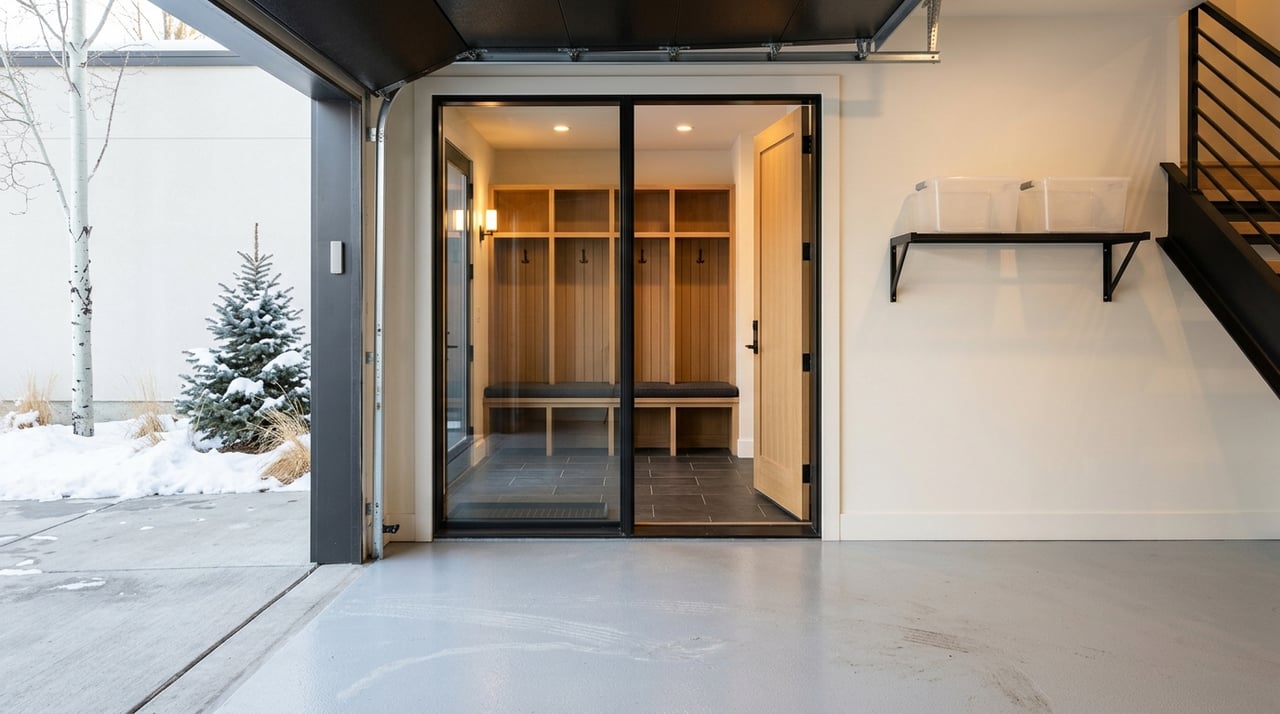
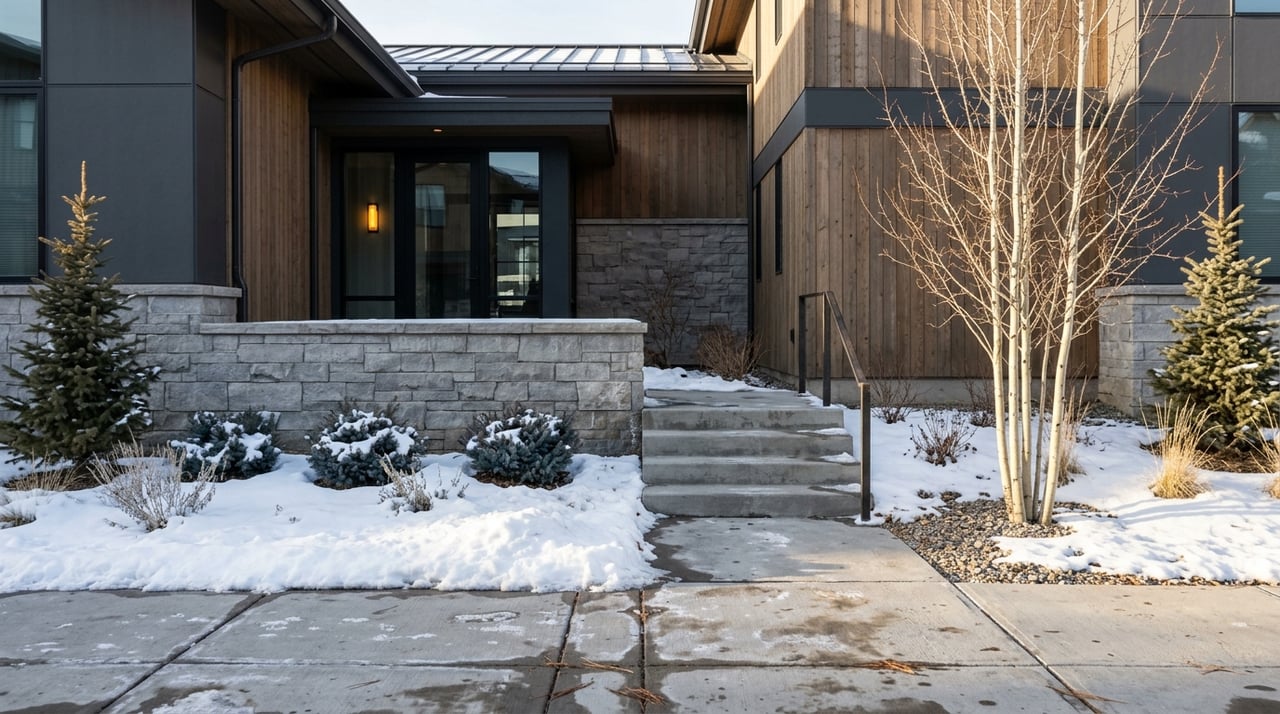
At higher elevations, winter performance matters. Review driveway slope, snow storage, roof load, and heating systems. Ask who handles snow removal, you or the HOA, and confirm the cost.
Wildfire and slope risks
Mountain settings can include wildfire exposure and slope or avalanche hazards on certain aspects. Check state or county wildfire maps and consider site evaluations for steep or exposed lots. If a home is near a gully or open north‑facing chute, consult a qualified professional.
Flood and water systems
Large river flooding is uncommon at higher elevations, but rapid snowmelt or intense rain can strain local drainage. Check FEMA flood maps and county GIS overlays. Verify whether the home has sewer service or a septic system, then inspect and confirm capacity and condition.
Utilities and broadband
Confirm availability and hookup status for water, sewer, electricity, gas, and broadband. In some locations, utility extensions or uphill service can add cost. Mountain lots may require alternative septic designs or well permits.
Elevation and climate impacts
Higher elevations affect HVAC sizing, insulation needs, and energy use. If you or your guests are new to altitude, consider acclimation time. The right systems and insulation plan can make a major difference in comfort and operating costs.
Smart buyer due diligence
A strong process helps you avoid surprises and protect value. Use this checklist:
- Confirm jurisdiction, Park City municipal or Wasatch County, using assessor or municipal maps.
- Verify zoning and permitted uses with the local planning department.
- Pull MLS comparables in the same micro‑neighborhood for realistic pricing.
- Obtain and review HOA documents, CC&Rs, budgets, reserves, and minutes.
- Confirm STR eligibility and current permit or licensing status if applicable.
- Order a preliminary title report, check easements, access, and any mineral or conservation rights.
- Get a current survey to identify boundaries, setbacks, and encroachments.
- Evaluate environmental factors, wetlands or flood overlays, wildfire and avalanche considerations.
- Verify utilities and hookup status, and review water rights if a well is present.
- Schedule a full home inspection plus roof, mechanicals, septic, and well tests where relevant.
- Confirm insurance availability and premiums for wildfire and winter exposures.
- Review permitting history and code compliance for additions or remodels.
- For investments, request STR performance data, occupancy, revenue, and local tax filings if available.
Strategy for investors
Investors often target Mayflower for a blend of lifestyle and potential rental income. Your returns will depend on precise STR permissions, management costs, and seasonality. Build conservative underwriting, then confirm with hard records from owners or managers when possible. If you plan to finance, explore options that align with rental income, and verify that your lender recognizes local STR policies when qualifying. Plan for capital reserves to handle winter maintenance and guest turnover.
Next steps with a local advisor
Buying in a resort market is equal parts lifestyle and logistics. Start by narrowing to exact parcels, then confirm jurisdiction, STR rules, and HOA strength. Pull micro‑market comps, estimate your carrying costs, and obtain insurance quotes early. Pair a top‑to‑bottom inspection with targeted specialty inspections for mountain conditions. When you are ready to go deeper, connect with a local advisor who blends neighborhood insight with investor‑savvy guidance. To explore Mayflower listings, rental strategies, and a tailored acquisition plan, connect with Wayne Levinson for a personalized consultation.
FAQs
Can I do short‑term rentals in Mayflower?
- It depends on the exact jurisdiction and the HOA, so verify STR rules and permits for the specific property before you buy.
Is ski‑in or ski‑out access guaranteed?
- No, access varies by parcel and community; confirm the actual route, legal easements, and seasonal practicality for each property.
What ongoing costs should I expect?
- Plan for HOA dues, property taxes, utilities, winter maintenance, and insurance, which can be higher in mountain environments.
How long is the drive to Salt Lake City?
- Typical drive times commonly range from about 30 to 45 minutes, and winter weather or traffic can extend the trip.
Which school district serves Mayflower addresses?
- District boundaries vary; confirm the specific address with local school district resources or municipal maps before assuming.
Is wildfire or avalanche a concern in this area?
- Risk depends on micro‑location and slope; check hazard maps and consider professional evaluations for steep or exposed sites.