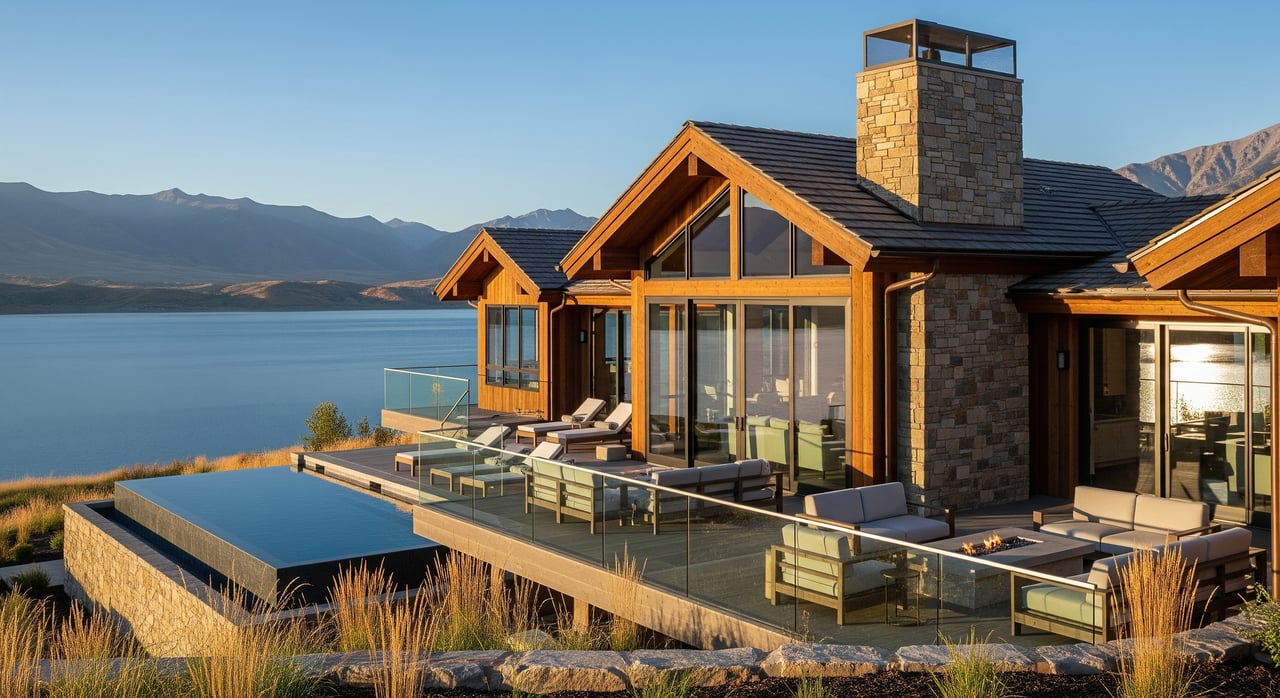
Thinking about buying a short-term rental near Jordanelle Reservoir but not sure whether Heber City or Hideout is the smarter move? You are not alone. Both areas pull year-round guests for skiing, lake time, and events, yet they perform differently and follow different rules. In this guide, you will get a clear, side-by-side view of demand, regulations, seasonality, costs, and the due diligence steps to make a confident decision. Let’s dive in.
Quick take: Heber vs Hideout
- Heber City: Larger town with more services and varied inventory. Often steadier bookings across seasons and easier guest logistics. More competition and city licensing to plan for.
- Hideout: Smaller lakeside town with strong summer appeal and potential premium ADR for water-view properties. More pronounced seasonality and more HOA rules to navigate.
What drives bookings around Jordanelle
Year-round demand and seasonality
Winter brings ski travelers for Park City and Deer Valley. Late spring through fall shifts to boating, fishing, cycling, hiking, and weddings around Jordanelle State Park. This year-round pattern supports occupancy, but the mix of stays changes by season. Expect higher winter ski demand and strong summer lake demand, with shoulder months that require conservative planning.
Spillover from core resorts
When Park City lodging runs hot on price or availability, nearby markets benefit. Heber Valley and Jordanelle-area towns see spillover bookings from travelers seeking value and proximity without staying in the core resort zones.
Regulations and compliance basics
Municipal rules vary
Short-term rental rules depend on the jurisdiction. Heber City and the Town of Hideout set their own licensing, operational standards, and enforcement practices. If you look outside city limits, unincorporated Wasatch County may have different requirements. Always confirm current ordinances with the local planning or code office before you write an offer.
Permits, taxes, and safety
Plan for a business license or dedicated STR registration number, collection and remittance of transient lodging taxes, and state sales and lodging taxes as required. Many jurisdictions require smoke and CO alarms, safe egress, fire extinguishers, and posted emergency contacts. Maximum occupancy, parking requirements, and quiet hours are common. You may need to display the permit number in your listing and on-site.
HOAs and private covenants
HOA rules can be stricter than city code, especially in smaller Hideout neighborhoods near the reservoir. Review CC&Rs for rental caps, minimum stay rules, owner-occupancy requirements, and application steps. In practice, HOA approval can be the gating factor even if the city allows STRs.
Enforcement and risk
Enforcement in mountain towns is often complaint-driven. Noise, parking, and trash issues can trigger fines, non-renewal, or delisting. Many resort communities have tightened rules in recent years. Build a mitigation plan that includes on-call management, clear guest rules, and a parking strategy.
Revenue and seasonality: what to expect
ADR and occupancy patterns
Hideout’s lakeside properties often command premium summer ADR, especially for water-view units. Heber’s closer-in locations and access to services can help smooth bookings across winter and shoulder seasons. Either way, you should underwrite with conservative assumptions for shoulder months and plan for uneven monthly cash flow.
Channels and event timing
Most owners rely on major OTAs, and some add direct-booking to reduce commissions. Local events, ski races, festivals, and concert calendars move the needle on monthly demand. Smart pricing and minimum-stay rules help capture peak periods and protect margins.
Expenses and operations you should budget
- Mortgage and financing costs, including higher investor loan rates.
- Property taxes and any special assessments.
- STR insurance or endorsements, with potential premium increases near water or in wildfire-prone zones.
- Property management fees. Full-service managers commonly charge about 15 to 35 percent of nightly revenue.
- Cleaning and turnover, including laundry and supplies.
- Utilities and internet, typically owner-paid for STRs.
- Maintenance, reserves, furnishings, and HOA dues.
- Transient room tax and state sales tax remittance.
Financing and underwriting notes
Investment property lending
Lenders treat STRs as investment properties. Down payments, rates, and underwriting differ from primary homes. Some lenders require proof of STR income from historical performance or third-party data. If projected STR income is critical, consider lenders familiar with vacation rentals and be ready with documentation.
Pro forma and sensitivity testing
Create a conservative pro forma that includes one-time setup costs such as furnishings, safety upgrades, permitting, and initial marketing. Run sensitivity scenarios for both ADR and occupancy. Compare your net operating income to long-term rental options and local cap rates to understand opportunity cost.
Neighborhood and property trade-offs
Heber City advantages
- Larger population and year-round services make guest logistics easier.
- Shorter drives to groceries, restaurants, and medical care may reduce guest friction and improve reviews.
- Broader mix of condos, townhomes, and single-family homes to match different price points.
- Potentially stronger winter access and snow clearing.
Heber City challenges
- More STR supply can increase competition and pressure on rates.
- City licensing and compliance add cost and time.
- Fewer properties with direct water-view premiums.
Hideout advantages
- Lakeside location and reservoir views can drive premium summer rates.
- Smaller inventory may support high occupancy for standout units in peak season.
- Strong branding potential as a Jordanelle-specific getaway.
Hideout challenges
- Fewer nearby services mean guests drive for essentials, which can affect reviews.
- HOAs often carry stricter rental rules, including caps and minimum stays.
- More pronounced seasonality and potential winter access considerations in some areas.
Cross-cutting issues to verify
- Parking limits, narrow roads, and driveway capacity vary by micro-neighborhood.
- Water proximity adds guest-safety needs like life jackets and clear signage.
- Winter driving and snow management plans are essential for guest safety.
Due diligence checklist before you buy
- Confirm the municipal STR permit or license requirements and any active caps.
- Review HOA CC&Rs for rental restrictions, minimum stays, or quota systems.
- Verify transient room tax and state sales tax registration steps and due dates.
- Confirm utilities, sewer versus septic, trash service, and winter road maintenance.
- Check FEMA flood zones, wildfire risk, insurance availability, and estimated premiums.
- Pull comparable STR performance for the specific micro-neighborhood using a paid dataset.
- Get operating cost estimates and seasonality insights from at least one local property manager.
- Review city council minutes and local news for pending policy changes.
Who should choose Heber vs Hideout
- Choose Heber City if you want steadier year-round bookings, easier guest logistics, and a broader range of property types and price points.
- Choose Hideout if you aim to maximize summer ADR with reservoir views and can manage stronger seasonality and tighter HOA rules.
Next steps
Start by confirming current STR ordinances with the relevant planning office, then line up data for ADR, occupancy, and seasonality from a reputable provider. Build a conservative pro forma and talk with a local property manager about operating costs, guest expectations, and community norms. If you want a tailored acquisition plan and lending guidance designed for STRs near Jordanelle, reach out to Wayne Levinson for a personalized strategy.
FAQs
How do STR rules differ between Heber City and Hideout?
- Each has its own licensing, operational standards, and enforcement practices. Confirm the current ordinance with the city or town before making an offer.
What seasonality should I expect near Jordanelle?
- Winter demand is driven by skiing, while late spring through fall is driven by lake activities and events. Plan for uneven monthly cash flow and conservative shoulder-month assumptions.
Do HOAs in Hideout typically allow short-term rentals?
- Many Hideout neighborhoods have HOA restrictions that can include rental caps and minimum stays. Review CC&Rs and obtain written confirmation before you buy.
What management fee is typical for full-service STR management?
- Full-service managers commonly charge about 15 to 35 percent of nightly revenue. Confirm current rates and service scope locally.
Can projected STR income help me qualify for a loan?
- Some lenders require historical income or third-party data and may limit projected income. Speak with lenders experienced in vacation rentals early in the process.