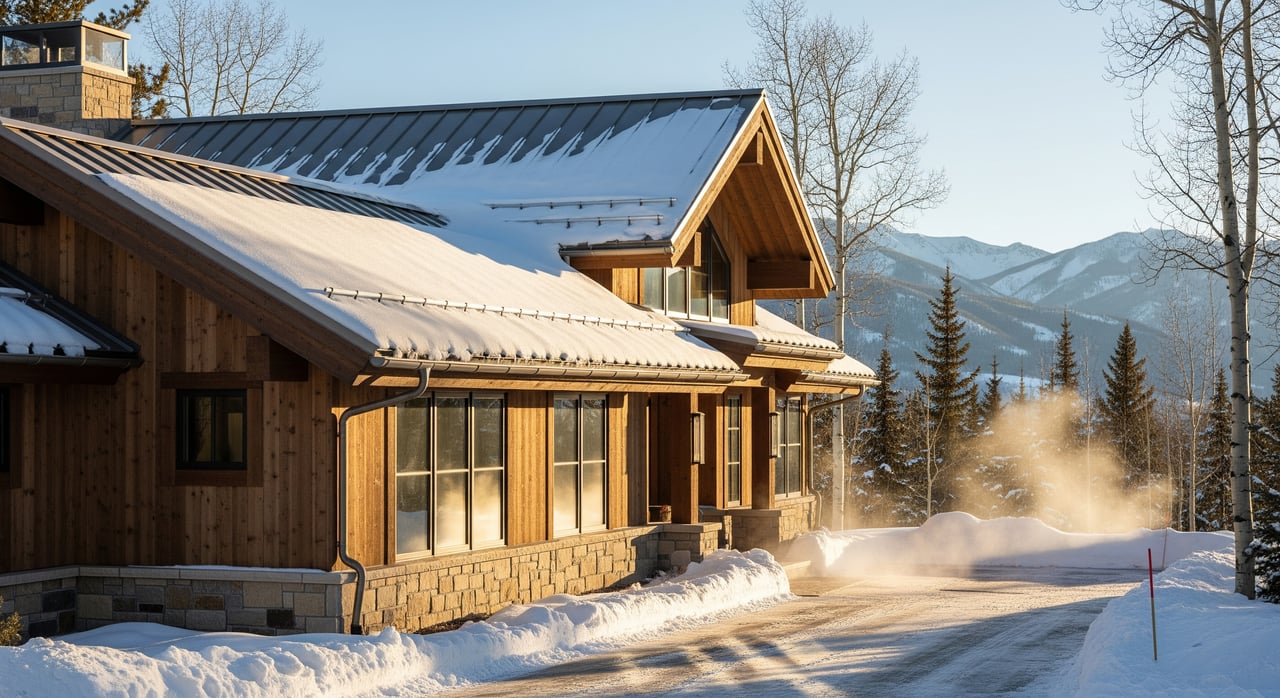
Do you dread the long icicles that show up on your eaves each winter in Pinebrook or Jeremy Ranch? You are not alone. With frequent storms and daily freeze–thaw cycles, Summit Park roofs see heavy snowpack and refreezing that can lead to ice dams and water intrusion. In this guide, you will learn practical steps to prevent damage, when to consider roof de‑icing systems, what to know about permits and warranties, and how buyers and sellers can navigate roofs confidently during a transaction. Let’s dive in.
Why ice dams happen here
Pinebrook and Jeremy Ranch sit at high elevation, where snowfall begins in fall and can last into spring. Late winter and early spring often bring daytime thawing and nighttime freezes. That pattern melts snow on the warmer upper roof, then refreezes it at colder eaves and gutters. Over time, that refrozen layer becomes an ice dam that traps meltwater.
Ice dams form when heat escapes from the conditioned space into the attic or roof deck. Meltwater runs downslope and refreezes at overhangs. Contributing factors include inadequate insulation and air sealing, poor attic ventilation, complex roof geometry that traps snow, and blocked gutters. The risks are real: water stains, saturated insulation, mold, rotted fascia, damaged gutters, shortened roof life, and falling ice hazards.
Start with passive fixes first
Passive building improvements address the root cause and often reduce or eliminate the need for powered systems.
Air sealing and insulation
Seal air leaks at recessed lights, top plates, vent stacks, chimneys, and attic hatches to reduce heat escape. Add insulation to align with cold‑climate recommendations. The goal is simple: keep the roof deck uniformly cold so snow does not melt from underneath.
Improve attic ventilation
Balanced intake at soffits and exhaust at the ridge helps maintain a consistent roof deck temperature. Ventilation alone may not solve ice dams if heat leakage persists, but it is a key part of a whole‑roof approach.
Roof and gutter upkeep
Keep gutters and downspouts clear so meltwater can drain. Snow guards can help control sliding snow, which is useful on steeper roofs, though they do not prevent ice dams. If you plan a future re‑roof, consider coverings that shed snow more readily where appropriate.
Plan ahead during remodeling
During re‑roofing, add ice‑and‑water barrier at the eaves and vulnerable valleys. If you anticipate ongoing issues, integrate approved de‑icing details while the roof is open. This is often the most discreet and durable way to future‑proof high‑risk areas.
Active de‑icing options for Summit Park roofs
When passive measures are not feasible or do not fully solve the problem, targeted powered systems can limit ice buildup and keep water moving.
Electric heat trace cables
Roof and gutter heat cables can be laid in gutters and downspouts or in a zigzag pattern near eaves. Self‑regulating or constant‑wattage options are available, paired with thermostats, moisture sensors, or timers. Pros include targeted coverage and retrofit simplicity. Cons include energy cost, visible cabling, and potential roof warranty concerns if installed improperly.
Concealed heat under shingles
Some systems tuck heating elements under shingles or within roof coverings for a cleaner look. These require careful installation and are often best added during re‑roofing.
Heated gutters and downspouts
Heating elements can be placed inside gutters and downspouts to keep meltwater flowing. This is useful where ice forms inside the drainage system rather than on the roof surface.
Heated panels and valley mats
Low‑profile heated panels or mats can be installed at eaves and in valleys to move water safely off the roof. These are typically used in limited, high‑risk zones.
Hydronic roof‑edge systems
Closed‑loop systems circulate heated antifreeze through tubing at the roof edge or within gutters. They can be discreet and efficient when paired with an effective heat source, but they come with higher upfront cost and more complex installation and maintenance needs.
Smarter controls and lower energy use
Add temperature and moisture sensors so systems run only when needed. Zone vulnerable areas instead of heating the entire perimeter. Ask installers to provide an estimated annual operating cost based on local rates and likely run times.
How to choose the right approach
Every roof is different. In Pinebrook and Jeremy Ranch, roof orientation, pitch, length of runs, valleys, dormers, and solar exposure all influence where ice forms. Start with air sealing, insulation, and ventilation. Consider active de‑icing when passive fixes are impractical due to finished spaces or architectural limits, when prior damage shows a recurring pattern, or when you want a fast, targeted solution for specific trouble spots such as valleys or long, low‑slope eaves.
Before installing heating elements under shingles, verify roof manufacturer requirements and installer recommendations. Ask for written confirmation that the method is compatible with your roof system and will not affect warranty coverage.
Permits, contractors, and codes in Summit County
Permits and inspections
Significant electrical work and any permanent heating systems typically require permits and inspections. Structural roof changes or integrated systems added during re‑roofing may also require building or roofing permits. Contact the Summit County Building Department, or the authority serving your address, early to confirm permit requirements and inspection schedules.
Hire licensed professionals
Use licensed electricians for electric heat trace systems and controls. If you install hydronic systems or connect to a boiler, hire licensed plumbers, HVAC, or mechanical contractors with hydronic experience. For roof integration, choose roofing contractors familiar with manufacturer‑approved heat‑trace details. Obtain multiple bids, verify licensing and insurance, check local references, and request photos of completed cold‑climate installs. Clarify warranties and maintenance responsibilities in writing.
Utility and panel capacity
Some systems need dedicated circuits or a panel upgrade. Ask your electrician for a load calculation and confirm any utility requirements before you start.
Insurance and disclosures
Coverage for ice‑dam water damage varies by policy. Some carriers cover sudden accidental water damage but may exclude losses tied to lack of maintenance. Review your policy and document all remediation work. Sellers should disclose known ice dams and water intrusion history per Utah and local rules. Keep permits, invoices, and warranties organized for buyer review.
Roof warranties
Non‑approved heat systems or improper fasteners can affect coverage. Confirm compatibility with your roof manufacturer and installation methods before proceeding.
Maintenance and lifecycle
Pre‑season system check
Do a visual inspection each fall. Look for damaged cables, loose junctions, worn sensors, or compromised roof penetrations. Test thermostat and moisture sensors before the first sustained cold snap. Keep gutters and downspouts clear to support drainage.
Hydronic system care
If you have a hydronic roof‑edge system, check antifreeze levels, pumps, and connections seasonally and after heavy storms.
Expected lifespan and energy use
Quality products last many years, though controls and attachment points may need service. Operating cost depends on run time, controls, and local electricity rates. Smart sensors and zone control help minimize energy use. If you aim to reduce fossil‑fuel use, compare hydronic options paired with efficient heat sources and consider renewable electricity to offset loads.
Guidance for buyers and sellers
If you are buying in Pinebrook or Jeremy Ranch
Ask about the property’s history with ice dams, water intrusion, and any repairs or de‑icing installations. Request documentation such as invoices, permits, warranties, maintenance logs, and inspection reports. If you are under contract during winter or shoulder season, consider a roof review by an experienced roofer or building‑science professional. If recurring damage is evident, negotiate remediation or credits.
If you are selling
Disclose known issues clearly and provide proof of corrective measures such as insulation upgrades, ventilation work, and de‑icing system installations. Organized documentation and visible maintenance help buyers feel confident, which can support smoother negotiations.
Quick roof inspection checklist
- Air sealing and attic insulation visible and continuous where accessible.
- Balanced ventilation with soffit intake and ridge or high‑point exhaust.
- Signs of past damage such as stains, rotted fascia, or replaced sheathing.
- Gutters and downspouts clear, intact, and properly sloped.
- De‑icing system details: brand or type, control method, permits, and last service date.
- Electrical panel capacity and any recent upgrades noted by an electrician.
- Roof warranty documents and notes on compatibility with any heating elements.
Ready to protect or evaluate a roof?
Whether you are maintaining a legacy home or evaluating a new purchase, a clear plan for snowmelt and de‑icing can protect your investment and reduce winter stress. If you want help prioritizing improvements or reviewing a roof during due diligence, our team can connect you with trusted local professionals and align your strategy with your real estate goals. Schedule a personalized Park City property consultation with Park‑City.com.
FAQs
Do homeowners in Pinebrook and Jeremy Ranch always need active de‑icing?
- No. Many ice‑dam issues are best addressed by improving insulation, air sealing, and ventilation. Active systems are typically used when passive fixes are impractical or when risk persists.
Will heat cables void my roof warranty in Summit Park?
- Possibly. Warranties vary by manufacturer. Always verify compatibility and use approved installation methods. Ask installers for written confirmation.
Are permits required for roof heat cables or panels in Summit County?
- Most electrical and significant roof work requires permits and inspections. Confirm requirements with the Summit County Building Department or your local authority before you begin.
Who should install roof de‑icing systems in Pinebrook/Jeremy Ranch?
- Use a licensed electrician for electric systems, a licensed plumber or HVAC pro for hydronic systems, and an experienced roofer for any roof integration. Prefer professionals with cold‑climate experience.
Will homeowners insurance cover ice‑dam water damage on my Park City‑area home?
- Coverage depends on your policy. Some cover sudden accidental water damage but may exclude losses tied to lack of maintenance. Review your policy and discuss details with your agent.