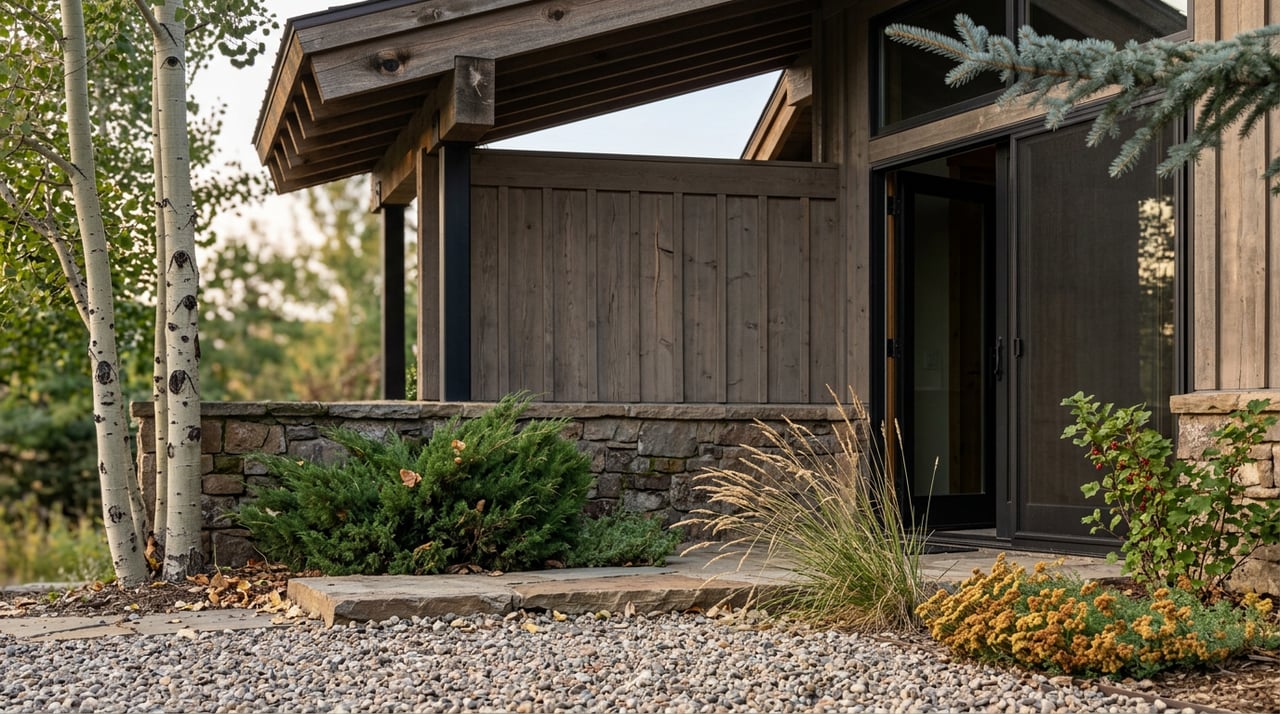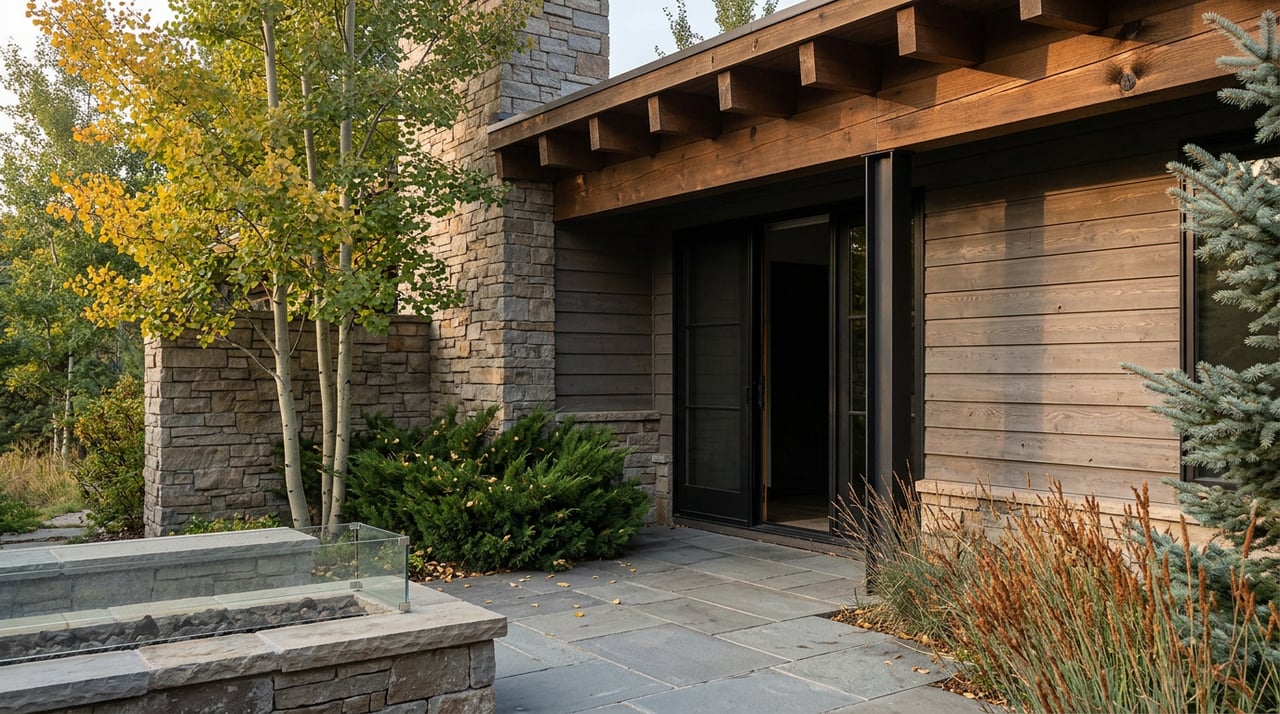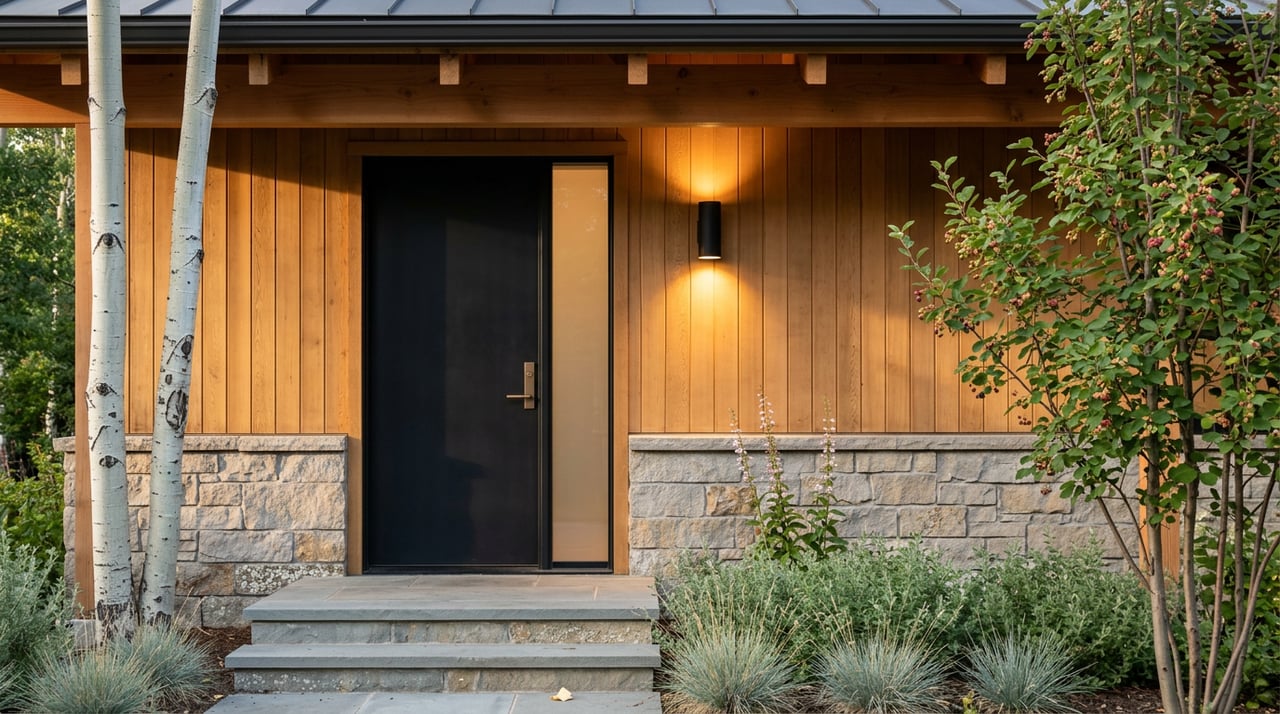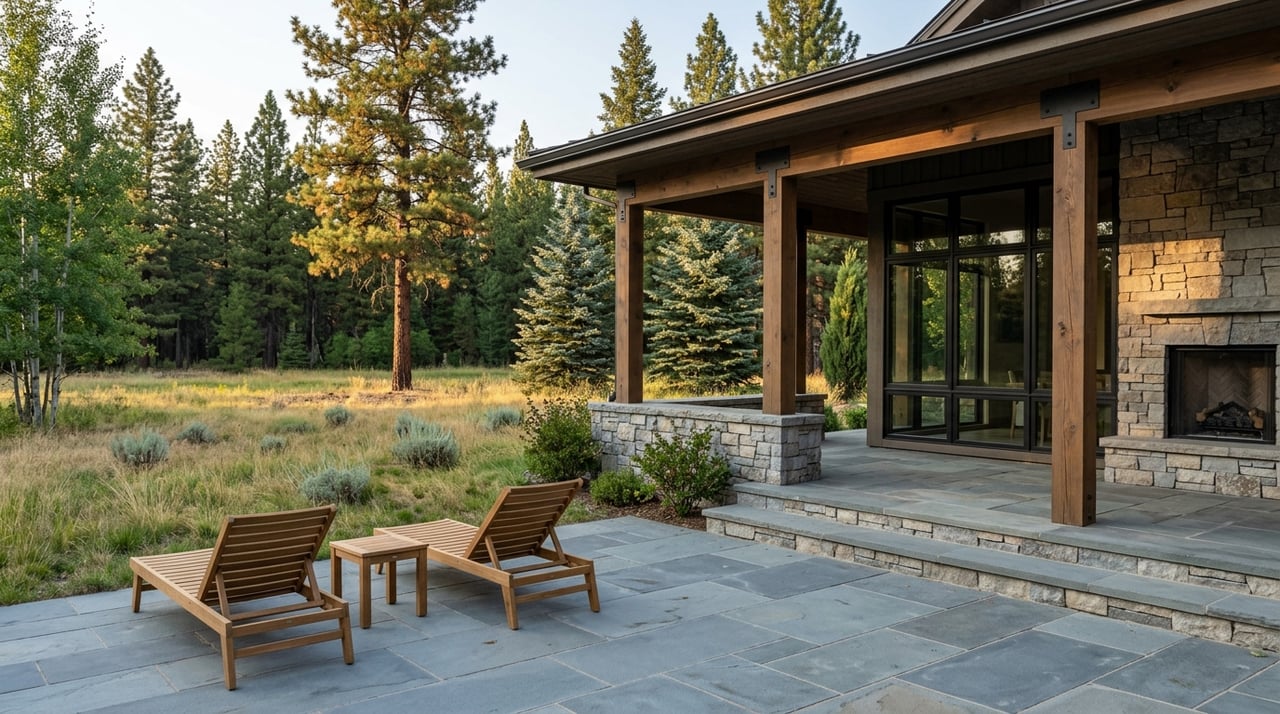
Looking to sell a high-acreage home near Deer Creek or Charleston? In this market, buyers are not just evaluating square footage or finishes. They are weighing privacy, land usability, views, access, and the mountain setting itself. If you want to position your property well, it helps to understand how this niche market works and what today’s buyers are likely to notice first. Let’s dive in.
Why acreage sells differently here
Charleston and the Deer Creek corridor sit within the Spring Mountains National Recreation Area, a 317,000-acre mountain setting that rises from desert valleys to Charleston Peak at 11,918 feet. The area is known for cooler summer temperatures, winter recreation, scenic drives, and access to trails and public land.
That matters because buyers in this part of the market are often buying a setting as much as a residence. A large parcel with tree cover, separation from neighbors, and strong view corridors can appeal differently than a typical suburban home, even when the house itself is comparable on paper.
What makes high-acreage homes niche
True acreage is limited in the Mount Charleston area. The available market data suggests that multi-acre properties are far less common than smaller lots, which means your property may compete in a very small comparison set.
That is important for sellers because broad averages can be misleading. When inventory is thin and sales are limited, each property tends to stand on its own merits more than in a tract-home market.
Market stats to keep in perspective
Recent snapshots show just how segmented this market can be. Realtor.com reported a December 2025 Mount Charleston median home price of $1.15 million, with 40 active listings and 145 average days on market.
At the same time, the research report notes a Redfin snapshot showing a much lower median sale price and only a couple of homes sold during that period. The takeaway is simple: in a small mountain market, a few sales can shift the numbers quickly, so your pricing strategy should focus more on close property matches than on broad headline medians.
Pricing a high-acreage property
If you are selling near Deer Creek or Charleston, pricing requires a micro-market approach. The best strategy is usually to use the smallest realistic comp set and give extra weight to the features that matter most in this location.
Those value drivers often include:
- Lot size and how usable the land actually is
- Privacy and distance from nearby homes
- View quality and orientation
- Access and drivability in varying weather conditions
- Tree cover and the overall setting
- Water or well status, where applicable
- Outbuildings, garages, workshops, or storage
In other words, usable acreage in a scenic mountain setting usually tells a stronger value story than acreage alone. A large parcel that feels functional, private, and visually compelling may stand out more than one with a bigger raw number but less practical appeal.
Buyer priorities in Deer Creek and Charleston
The Forest Service describes the area as a place people visit to escape desert heat in summer and enjoy winter recreation, hiking, picnicking, cycling, horseback riding, and snow-based activities. That recreation profile helps explain what many buyers are drawn to.
When they tour a high-acreage home here, buyers are often paying close attention to:
- The sense of seclusion
- The visual relationship between the home and the land
- Access to scenic drives, trailheads, and mountain recreation
- Whether the parcel feels easy to use and maintain
- How the property performs in different seasons
That is why your listing narrative should connect the home to the land in a practical, grounded way. Buyers want to picture how the property lives, not just how many acres it includes.
Marketing the land, not just the house
Acreage homes need a different type of presentation. In this setting, the strongest marketing usually shows scale, privacy, and the way the residence sits within the broader landscape.
For many sellers, the most important visual assets include:
- Wide exterior photos that show the home in context
- Aerial images that clarify lot layout and surroundings
- Driveway and access shots
- Tree canopy and topography views
- Boundary-oriented visuals when appropriate
- Images of any garages, workshops, barns, or storage buildings
Because views and land configuration matter so much here, visuals should help buyers understand both atmosphere and function. A beautiful home photo is helpful, but a buyer of acreage also wants to know how the parcel works.
Use drone media carefully
Drone photography can be especially useful for high-acreage homes, but it needs to be done correctly. The FAA’s Part 107 rules require commercial drone operators to hold the proper certification and follow operating limits such as daylight operations, visual line of sight, and a 400-foot altitude cap.
There are also local land-use considerations. The Forest Service notes that drones may not take off from, land in, or be operated from designated wilderness areas, and they should not be flown near wildlife, trailheads, campgrounds, or visitor centers. For sellers, this means aerial media should be handled by qualified professionals who understand the rules.
Pre-listing issues buyers may notice
Before your home goes live, it helps to prepare for the questions serious buyers are likely to ask. In this area, those questions often go beyond finishes and floor plans.
Wildfire readiness
Wildfire is a major issue in the Mount Charleston area. Clark County identifies Kyle Canyon, Lee Canyon, and Cold Creek among the areas at risk, and notes that wildfire awareness season runs from May through October.
The county recommends clearing dead vegetation and following posted fire restrictions. From a selling standpoint, visible property maintenance and defensible-space efforts can help show that the property has been cared for thoughtfully.
Water and outdoor use
Water is another important topic. The Las Vegas Valley Water District says the Kyle Canyon Water District is supplied by four wells and uses a mandatory watering schedule tied to system conditions.
The utility also notes that low precipitation has reduced groundwater recharge and that emergency conditions can include service interruptions and no outdoor water use. If your property has landscaping, irrigation, or water-dependent features, it is wise to present them honestly and make sure they align with current system realities.
Access and seasonal logistics
Access matters more here than in many markets. Clark County has warned that Kyle Canyon Road, Lee Canyon Road, and Deer Creek Highway have experienced closures or safety restrictions after storm damage.
The county also notes that there are no gas stations on the mountain and that cell service is limited in winter conditions. For showings, this means careful route planning, timing, and weather awareness can make the process smoother for both sellers and buyers.
How to prepare before listing
A thoughtful pre-listing plan can help your property show more clearly and reduce friction once buyers begin asking detailed questions.
Consider focusing on these steps:
- Clarify the land story by identifying what makes the acreage useful, private, scenic, or flexible.
- Review access details so buyers can understand roads, driveway approach, and seasonal considerations.
- Tidy vegetation and outdoor areas to improve presentation and support wildfire-conscious maintenance.
- Check water-related features and be ready to explain irrigation or outdoor water use accurately.
- Gather visuals that show scale so buyers can quickly grasp the relationship between the home and the land.
- Build a pricing strategy around close comps instead of relying too heavily on broad area averages.
These steps do not change the market, but they can help your home enter it in a stronger position.
Why expert positioning matters
In a market this small, generic marketing can miss the mark. High-acreage homes near Deer Creek and Charleston need a strategy that blends lifestyle storytelling with practical details buyers actually care about.
That means showing privacy, mountain context, and usability while also addressing access, water considerations, and seasonal realities. When those elements are presented clearly, your property has a better chance of attracting the right buyer and supporting a more credible pricing conversation.
If you are thinking about selling and want a tailored strategy for a mountain or acreage property, connect with Wayne Levinson for a personalized conversation about positioning, pricing, and marketing.
FAQs
How should you price a high-acreage home near Deer Creek and Charleston?
- Use the smallest possible comp set and give added weight to lot usability, privacy, views, access, water status, and outbuildings instead of relying only on broad median price data.
What do buyers value most in Charleston and Deer Creek acreage properties?
- Buyers often focus on privacy, scenic setting, usable land, tree cover, views, and access to the broader mountain recreation environment.
What market stats matter for Mount Charleston area sellers in 2025?
- A December 2025 Realtor.com market snapshot reported a $1.15 million median home price, 40 active listings, and 145 average days on market, but small sample sizes mean individual property differences matter a lot.
What should you do before listing an acreage home near Deer Creek Highway?
- Focus on outdoor presentation, defensible-space maintenance, access planning, water-use clarity, and marketing visuals that show how the home sits on the land.
Are drone photos allowed for mountain properties near Mount Charleston?
- Yes, but commercial drone work must follow FAA Part 107 rules, and Forest Service restrictions also apply in certain protected or high-traffic recreation areas.