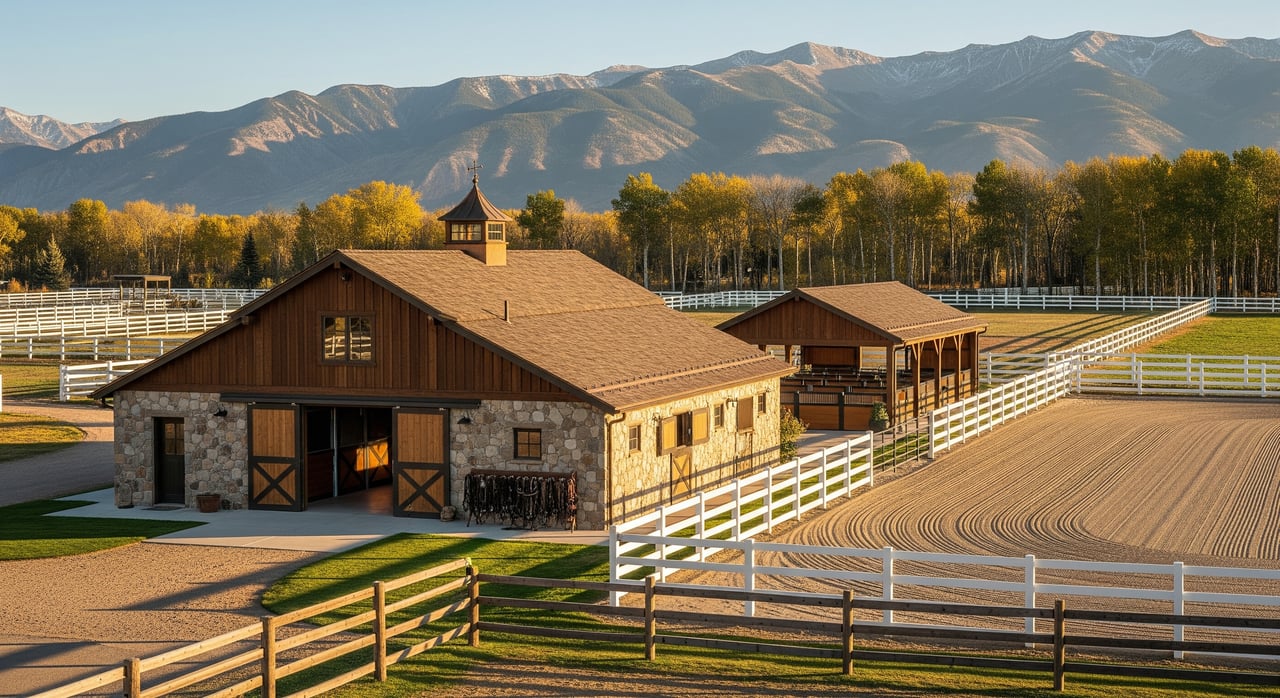
Want buyers who ride to stop scrolling and book a showing? Selling a Silvercreek horse property is not like selling a standard home. Equestrian buyers have specific needs, and Summit County’s climate, access, and water considerations raise the bar on preparation. In this guide, you’ll get a clear, proven plan to prep, price, and market your Silvercreek-area property so it stands out to qualified buyers. Let’s dive in.
Why Silvercreek horse properties sell
You are selling more than a house. You are selling usable acres, safe infrastructure, and a daily routine that works in all seasons. In Summit County, buyers care about winter access and snow loads, proximity to Park City amenities, and how the land truly functions for horses. That means you need to highlight both lifestyle and operations.
The buyer pool is smaller and more specialized than for standard homes. Expect interest from hobby riders, trainers, lifestyle buyers relocating for space and views, and investors evaluating the property for boarding or lessons. Your marketing must speak to each of these groups with specifics, not generalities.
Prepare your property
Gather documents buyers expect
Serious equestrian buyers want proof, not guesses. Assemble a clean, labeled packet before you list:
- Survey and plat map showing boundaries, easements, and fence lines.
- Title documents plus any water-rights abstracts or decrees. Note whether rights are appurtenant or severable.
- Well log, pump test with flow rate, and water-quality results.
- Septic permits, last inspection or pump-out records, and system capacity.
- Building and permit records for barns, arenas, fencing, and accessory structures.
- HOA covenants and road-maintenance agreements if applicable.
- Pasture management notes: soil tests, fertilization, hay yields, and weed control steps.
- Business documents if boarding or training occurred: profit and loss statements and sample contracts.
- Insurance claims history, if available.
- Equipment and tack inventory with notes on what conveys or is negotiable.
Complete key inspections
Pre-listing checks reduce surprises and build buyer confidence:
- Well flow and water-quality testing with documentation.
- Septic inspection and map of system location.
- Structural review of barns and arenas for roof load and key components.
- Fencing safety audit with a quick repair plan.
- Arena footing and drainage assessment, especially for winter use.
- Environmental items: wildfire mitigation and any wetlands or restrictions.
- Title and easement search to confirm access and shared-road responsibilities.
Clarify inclusions and safety
Decide what stays and what does not. List items like feeders, panels, arena implements, tractors, and hay. Use clear labels during showings. If horses are present, set simple safety rules for visitors and schedule showings to minimize stress on animals.
Market-ready improvements
Tune up barns and fencing
Deep clean stalls, tack rooms, and wash racks. Replace broken boards and remove unsafe wire. Label stall sizes and show ventilation, electrical, and water systems. Safe, orderly, and well-lit spaces photograph and show far better.
Showcase arena and pastures
Refresh footing and groom the arena before photos. Demonstrate drainage quality with recent images after a storm if available. Mow or drag pastures, tidy edges, and highlight irrigated zones and usable fenced acres. If the land produces hay, note typical yields in your packet.
Prove winter readiness
Summit County buyers ask about winter. Document whether access roads are county-plowed or privately maintained, show heated waterers, and outline snow removal plans. If you have a backup generator or dedicated barn electrical capacity, make that easy to see.
Marketing that works in Summit County
Message pillars that resonate
Lean on the details riders care about. In your copy and conversations, emphasize:
- Infrastructure and systems: stall count, layout, tack, wash bays, water lines, and barn power.
- Arena specifics: dimensions, footing type, drainage, lighting, and fencing.
- Usable land: fenced acres, cross-fencing, irrigation, and pasture productivity.
- Water certainty: source, well capacity, and documented, transferable water rights.
- Operations: turnkey boarding or training potential and any supportive records.
- Daily life: turnout ease, hay storage, trailer parking, and trail access.
- Location: proximity to Park City recreation, privacy, views, and community.
Visual media that wins clicks
High-quality visuals are nonnegotiable for equestrian properties. Plan a media package that shows scale, safety, and lifestyle:
- Professional photography of the home, barns, stalls, arenas, pastures, fencing, hay storage, parking, and views. Include a few images with horses or people to provide scale when appropriate and safe.
- Drone imagery and labeled aerials that outline parcel boundaries, pasture layout, access roads, and terrain.
- Video walkthroughs of the residence and barn systems, plus riding footage to show footing.
- Interactive floor plans and barn layout diagrams with stall sizes, utilities, and aisle width.
- 3D tours of the residence and primary barn spaces to engage out-of-area buyers.
- If you connect to trails, consider a short POV trail-ride clip to convey the lifestyle.
Listing distribution that reaches riders
You need broad exposure and targeted reach:
- MLS entry with equestrian keywords such as equestrian, horse property, barn, arena, fenced pastures, stall count, and water rights.
- Syndication to major portals plus equestrian or rural property marketplaces recognized by the industry.
- Email announcements to regional agent networks with equine clientele along the Wasatch Front and beyond.
- Paid social campaigns targeted to equine interests and likely source markets. Lead with lifestyle imagery and a short highlight reel.
- Outreach to the local equestrian community: trainers, boarding barns, feed stores, veterinarians, and farriers.
- Broker open houses geared to equestrian-specialist agents.
- A simple property website or landing page that offers a downloadable packet with maps, permits, water data, and utility details.
Event ideas that convert
Well-run, horse-aware events can tip the scales:
- Equestrian open house with scheduled demonstrations to showcase arena footing and barn flow.
- Trainer or barn-manager preview days for hands-on evaluation of systems.
- Clear liability releases, posted safety guidelines, and controlled environments for any demonstration.
Pricing and negotiation
Pricing should reflect the real drivers of value for Summit County horse properties. Documented water rights, reliable irrigation, and truly usable fenced acres deserve a premium. Indoor arenas or proven all-weather footprints also command higher pricing. Turnkey facilities with records to support operations appeal to professional and investor buyers.
If you plan to include high-value equipment, keep receipts and itemize. Many sales hinge on what conveys, so spell out tractors, panels, feeders, and arena implements. Consider how you want to market the highest and best use. Some sellers choose a price aligned with commercial potential, while others price for the hobby market and exclude business expectations.
Seasonality and timing
Spring and summer shine for pastures and outdoor arenas, so listings often perform well then. If you list in winter, show winter readiness with photos and video of access routes, plowed areas, heated systems, and enclosed storage. In all seasons, be explicit about who maintains private roads and any HOA responsibilities.
Track your campaign
Monitor performance so you can adjust quickly:
- Inquiries and qualified leads, especially those who own or board horses.
- Lead sources: MLS, equestrian sites, social ads, referrals, or agent network.
- Showings and attendance at equestrian open houses.
- Online engagement: photo views, video watch time, and clicks on your property website.
- Offers received, time on market, and sale-to-list price ratio.
Your next steps
Use this simple blueprint to launch in 30 to 45 days:
- Documentation sprint
- Compile survey, title, water-rights documents, well and septic records, permits, HOA and road agreements, and pasture notes. Organize in a digital folder with clear file names.
- Safety and systems tune-up
- Fix obvious hazards, refresh arena footing, and tidy storage. Schedule well, septic, and structural checks so you can share results.
- Media plan and shoot
- Book photos, drone, video, and 3D tours. Time the shoot for good light and, if possible, green-up or a freshly groomed arena.
- Messaging and packet
- Draft listing copy emphasizing infrastructure, usable acres, water certainty, and winter readiness. Finalize a downloadable packet with maps, utility details, and any operational records.
- Launch and distribution
- Go live on the MLS with equestrian keywords. Coordinate equine-focused distribution, social campaigns, and agent network outreach.
- Events and follow-up
- Host a targeted equestrian open house or trainer preview. Capture contact info for follow-up and share your packet immediately after each showing.
If you want a lifestyle-first strategy grounded in the realities of Summit County horse ownership, you are in the right place. For a tailored plan that reaches qualified equestrian and relocation buyers in the Park City area, schedule a personalized consultation with Wayne Levinson.
FAQs
What documents do I need to sell a Silvercreek horse property?
- Prepare survey and plat, title and water-rights records, well and septic reports, permits for barns and arenas, HOA and road agreements, and pasture or business records.
How do water rights impact value in Summit County?
- Documented, transferable water rights and reliable irrigation often command a premium, and clear records reduce buyer risk and speed due diligence.
When is the best time to list an equestrian property in Silvercreek?
- Spring and summer typically show pastures and outdoor arenas best, while winter listings should highlight access, heated systems, and snow management.
What features matter most to equestrian buyers?
- Usable fenced acres, barn and stall functionality, arena size and footing, fencing safety, water certainty, trailer parking, and winter-readiness details.
How should I price a property with an arena and barns?
- Price relative to usable acres, arena quality, barn condition, and water rights, and decide whether to market as turnkey for operations or for hobby use.
Which marketing channels reach horse property buyers?
- Combine MLS with equestrian marketplaces, targeted social campaigns, regional agent networks, and outreach to local trainers, barns, and service providers.