What is the right asking price for a Deer Valley ski home that attracts qualified buyers without leaving money on the table? In a market where ski access and luxury amenities drive decisions, a smart pricing plan can be the difference between a quick, strong sale and months of missed opportunities. If you are weighing lifestyle goals against investor expectations, you are not alone.
In this guide, you will learn how Deer Valley’s micro-markets, ski access, finishes, rental rules, and timing shape price. You will also get clear tactics you can use today to set, defend, and optimize your number. Let’s dive in.
Know what drives value
Pricing starts with what Deer Valley buyers prize most. Use these drivers to position your home and to explain your price.
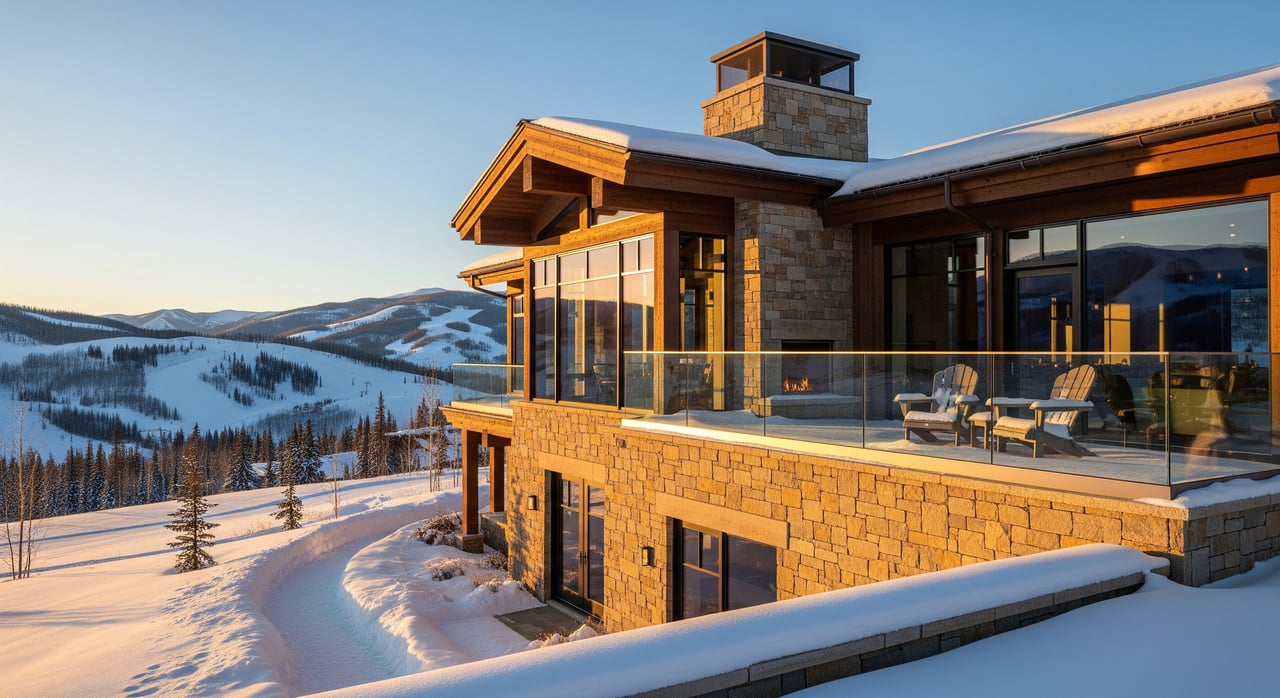
- Ski access and proximity: True ski-in/ski-out or direct lift access can command a meaningful premium over homes that require a drive. Deeded pathways, proximity to base areas, and shuttle access matter.
- Views and exposure: Mountain, ski run, and valley views, plus good light and solar exposure, increase appeal and resale confidence.
- Property type and location: Single-family estates in Deer Crest or Empire Pass, and luxury condos in Silver Lake or Snow Park, sit in different price bands. Building class, HOA structure, and neighborhood amenities shape buyer expectations.
- Size and usable bedrooms: Legal bedrooms, guest suites, and sleeping capacity influence both enjoyment and rental income potential. Storage and parking, including ski lockers and garages, are practical value adds.
- Quality and systems: Turnkey renovations, gourmet kitchens, heated driveways, efficient HVAC, and low‑maintenance exteriors justify higher price per square foot.
- HOA and on-site amenities: Pools, concierge, shuttles, and club services add value, while high monthly dues or special assessments can temper investor appetite.
- Rental eligibility and programs: Short-term rental rules in Park City and Summit County, along with resort-managed rental programs, directly affect investor demand and valuation.
- Recent, relevant comps: Closed sales from the last 6–12 months in the same micro‑location are the backbone for pricing. Adjust for ski access, views, finish level, HOA structure, and size.
Choose your pricing goal
Before you pick a number, decide your main objective. The best strategy aligns with your goal and the current inventory picture.
- Maximize sale price: Accept a longer marketing window, prove uniqueness, and target qualified buyers with a tailored plan.
- Minimize time on market: Price at the market to drive immediate showings and early offers. This is effective when inventory is building or buyers are price sensitive.
- Attract multiple offers: Slightly undercut close comps to create urgency, then leverage terms and timing to push net proceeds higher.
Set your price with local comps
Ground your list price in data, then layer in strategy.
- Define the comp set: Pull closed sales from the last 6–12 months in the immediate area, such as Deer Crest, Empire Pass, Silver Lake, or Snow Park. Match property type, ski access class, size, and finish level.
- Segment by ski access: Separate true ski-in/ski-out from near‑mountain or shuttle‑served homes. The value gap is real, so do not blend them.
- Adjust for differences: Apply clear adjustments for views, renovation quality, bedroom count, garage and storage, HOA fees, and rental eligibility.
- Check pendings and actives: Active listings are your competition, pending sales reflect current buyer behavior, and both inform your price band.
- Use price‑banding psychology: Choose round numbers that match how buyers filter searches. Landing on the right band can increase visibility.
Timing and seasonality
Deer Valley is active year‑round, but certain windows can help your pricing story.
- Spring and early summer: Ideal for showcasing views and outdoor spaces. Many buyers shop now for next ski season.
- Fall, pre‑ski season: Strong for buyers who want to use the home in winter. Snow photos help highlight ski access and winter flow.
- Winter: You attract buyers who evaluate snow conditions and access in real time. Exposure may be narrower, so keep pricing aligned with comps, not just season.
Competitive vs premium pricing
Both approaches work when used intentionally.
- Competitive pricing: Set your number at or just below recent comparable sales. This strategy drives showings and creates early momentum, especially if inventory is rising.
- Premium pricing: Price above comps when you can document uniqueness, such as true ski-in/ski-out, panoramic views, or record‑quality finishes. Expect a longer runway and support it with targeted marketing to qualified buyers.
- Negotiation room: In luxury segments, big list‑to‑sale gaps can signal overpricing and extend days on market. Leave realistic, not excessive, room for concessions.
Investor vs lifestyle priorities
Your likely buyer profile can shape the right price story.
- Investor‑oriented pricing: Underwrite short‑term rental potential where allowed. Consider occupancy, average daily rate, HOA and management costs, and maintenance to support yield-based pricing. Properties in rental programs or with proven revenue histories can justify stronger ask prices.
- Lifestyle‑oriented pricing: Focus on the emotional value of ski access, views, and finishes. Lifestyle buyers still look at comps, yet they will often pay more for turnkey quality and rare attributes.
Pre‑list improvements that pay
Small updates can improve both price and pace of sale.
- Cosmetic refresh: Paint touch‑ups, lighting, hardware, and soft‑goods updates create a turnkey feel at modest cost.
- Kitchen and bath tune‑ups: Minor updates often punch above their weight in perceived value.
- Curb and arrival: Heated driveways, clear walkways, and well‑lit entries matter in winter showings.
- Professional media: High‑end photography, drone, video, and virtual tours are essential in this segment. Show clear ski routes and amenity proximity.
- Pre‑inspection and repairs: Mountain homes face snow load, roof, driveway heating, and system challenges. Fixing obvious issues upfront can support a higher net price.
Rules and due diligence that affect price
Regulations and HOA rules can boost or limit demand. Confirm these early so your price is defensible.
- Short‑term rentals: Verify whether the property is eligible for STRs, if permits are required, and if any grandfathered status exists. Restrictions can reduce price multiples for investor buyers.
- HOA covenants and fees: Review rental policies, use rules, and any special assessments. High or uncertain dues may weigh on investor offers.
- Transfer and recording fees: Some resort transactions include additional fees. Buyers factor these into total acquisition cost.
- Title, easements, and access: Confirm deeded ski easements or access pathways, plus road maintenance agreements, to avoid surprises in escrow.
For current specifics, use resources like the Park City Board of REALTORS market reports, the local MLS for comps and days on market, the Summit County Assessor for tax history, and municipal code for STR and zoning rules.
How buyers read your price
Put yourself in a buyer’s seat to strengthen your strategy.
- Micro‑market accuracy: Savvy buyers separate Deer Crest from Empire Pass, and true ski-in/ski-out from shuttle access. Your pricing should too.
- Price per square foot is a guide, not a rule: Unique views, ski access, and finishes can justify being above the average band.
- Days on market: Longer DOM can invite negotiation. If your home is unique, make sure your marketing narrative explains the runway.
- Rental claims: If you highlight revenue potential, include accurate, recent figures where possible, along with a clear picture of HOA and management costs.
Seller pricing checklist
Use this quick list to prepare your number and your narrative.
- Gather closed comps from the last 6–12 months in your immediate micro‑location.
- Separate comps by ski access class and building type, then adjust for size, views, and finishes.
- Confirm STR eligibility, licenses, and HOA rules. Note any special assessments.
- Assemble rental history, occupancy, and ADR if applicable. Include management costs.
- Complete cosmetic updates, pre‑inspection, and any high‑impact repairs.
- Produce winter and summer photography to show ski routes, views, and outdoor spaces.
- Choose your pricing objective, then set a number that fits your goal and comp band.
- Select a price band that maximizes search visibility for your target buyers.
When off‑market makes sense
For ultra‑rare properties, a quiet, curated approach can achieve top pricing while protecting privacy. Off‑market outreach to qualified, repeat resort buyers can be effective when your home is truly trophy‑level, and when you can validate uniqueness through access, design, and location.
Final thoughts
In Deer Valley, the right price is a blend of data, micro‑market expertise, and a clear story about why your home is special. Align your number with your goal, prove it with recent comps, and support it with thoughtful presentation and targeted marketing to the right buyers.
If you want a pricing plan tailored to your specific property, including rental underwriting where applicable and guidance on financing structures for second homes, connect with Wayne Levinson. You will get a boutique, data‑informed strategy that balances lifestyle value with investor rigor.
FAQs
When is the best time to list a Deer Valley ski home?
- Pre‑ski season and late spring or early summer are both strong windows, so choose based on your goals and current market activity.
How should I price true ski‑in/ski‑out vs near‑mountain access?
- Use closed sales of other true ski‑in/ski‑out properties as the primary comps, then apply a premium over near‑mountain homes based on access, views, and finishes.
Do HOA fees and assessments affect my price?
- Yes, high dues or pending assessments reduce investor cash flow, which can compress price multiples and lengthen days on market.
How do Park City short‑term rental rules impact valuation?
- STR eligibility and permitting directly influence investor demand, so confirm whether the property allows rentals and what licenses or restrictions apply.
Should I list high to leave room for negotiation?
- Overpricing can increase days on market and weaken your negotiating position; competitive pricing aligned with recent comps usually draws stronger interest.
What if my property is unique and there are few comps?
- Document your uniqueness, study the closest micro‑market sales, and consider a premium pricing plan with a targeted marketing campaign to qualified buyers.