Wondering how to make your Lower Deer Valley home feel just as compelling in July as it does in January? That is the challenge, and the opportunity, when you sell in one of Park City’s most recognizable resort areas. Today’s buyers are often looking beyond ski season, so the homes that stand out are the ones that show comfort, function, and lifestyle value all year long. Let’s dive in.
Why four-season prep matters
Lower Deer Valley is anchored by Deer Valley’s Snow Park base area, the resort’s main entrance and base area. It offers a mix of accommodations, including ski-in/ski-out options, and many properties sit within a mile of Historic Main Street. That alone gives buyers a strong sense of convenience and access.
But this is not just a winter story. Snow Park also supports year-round use through Ski & Bike Schools, year-round childcare, summer concerts at the Snow Park Outdoor Amphitheater, and the Summer Activities Center at Snow Park Lodge. When buyers see those layers of activity, they are more likely to ask how a home lives in every season.
Park City adds even more depth to that lifestyle. The city and surrounding area include more than 7,000 acres of preserved open space and more than 350 miles of recreational trails, while Deer Valley’s bike park offers nearly 60 miles of trails connected to a broader single-track network. For your sale, that means your home should feel ready for skis, bikes, dinners outside, and quiet shoulder-season weekends.
What Lower Deer Valley buyers notice
Most buyers in Lower Deer Valley want more than a pretty interior. They want a home that supports the way they actually use Park City, whether that means early ski mornings, summer trail days, or a flexible retreat between peak seasons. If your home makes that lifestyle easy to picture, it becomes easier to remember.
Park City Transit is fare-free and includes express service to Deer Valley Resort, along with year-round transit routes throughout town. Deer Valley also offers complimentary parking at Snow Park Lodge. Those details help buyers see Lower Deer Valley as convenient and activity-rich, not just scenic.
Nearby recreation also widens your audience. Jordanelle State Park offers boating, fishing, hiking, picnicking, and camping, while Deer Creek State Park includes boating, swimming, fishing, windsurfing, and zip lining. Even buyers who first come for winter often appreciate a home that still feels useful and exciting after the snow melts.
Stage for winter ease
Winter still matters in Lower Deer Valley, so your home should show a smooth transition from outdoors to indoors. Buyers tend to notice whether the entry feels intuitive, protected, and organized. If the first few steps into the home feel clumsy, the whole property can feel less functional.
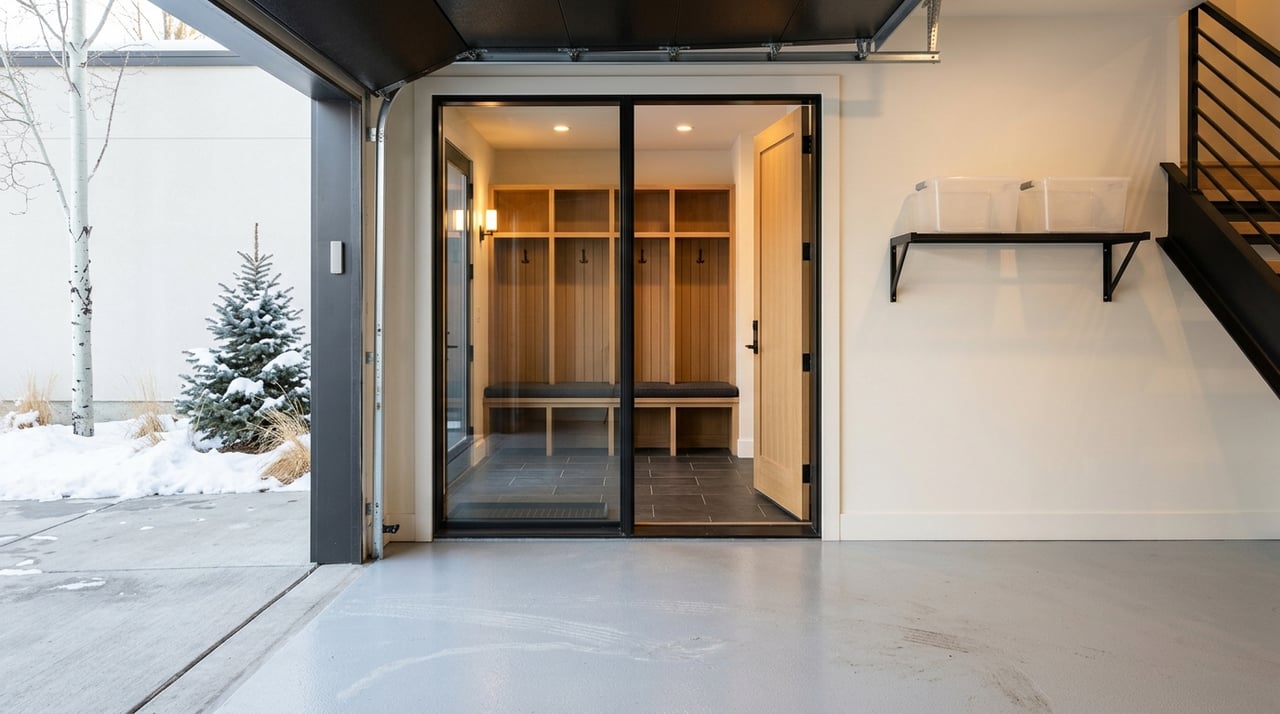
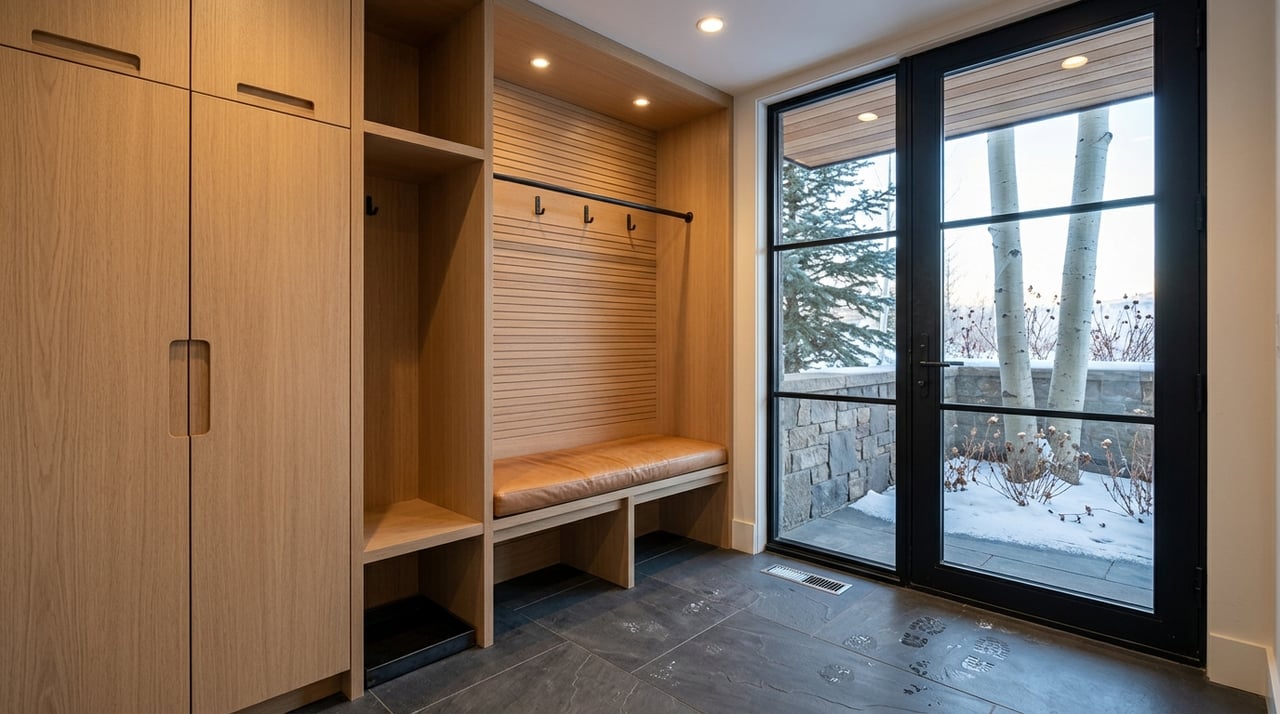
Focus first on the arrival experience. A clean, defined entry with space for boots, jackets, and gear immediately signals ease. Benches, hooks, baskets, and hidden storage can help the home feel efficient rather than crowded.
If you have a mudroom, gear room, garage, or even a smart hallway nook, stage it with purpose. Show where skis, boots, helmets, and poles go. Buyers do not need a huge room, but they do need to believe there is a practical place for winter gear.
Winter features to highlight
- Ski storage that feels tidy and easy to access
- A bench or boot area near the entry
- Covered or protected arrival zones
- A clear path from the door to the main living space
- Parking or shuttle convenience when relevant
- Easy-clean flooring near high-traffic entry points
Stage for summer living
When ski season ends, Lower Deer Valley still has plenty to offer. Buyers know the area connects to Park City’s larger recreation network, and many are also aware of the nearby reservoir activities. Your job is to make the home feel just as inviting for warm-weather use.
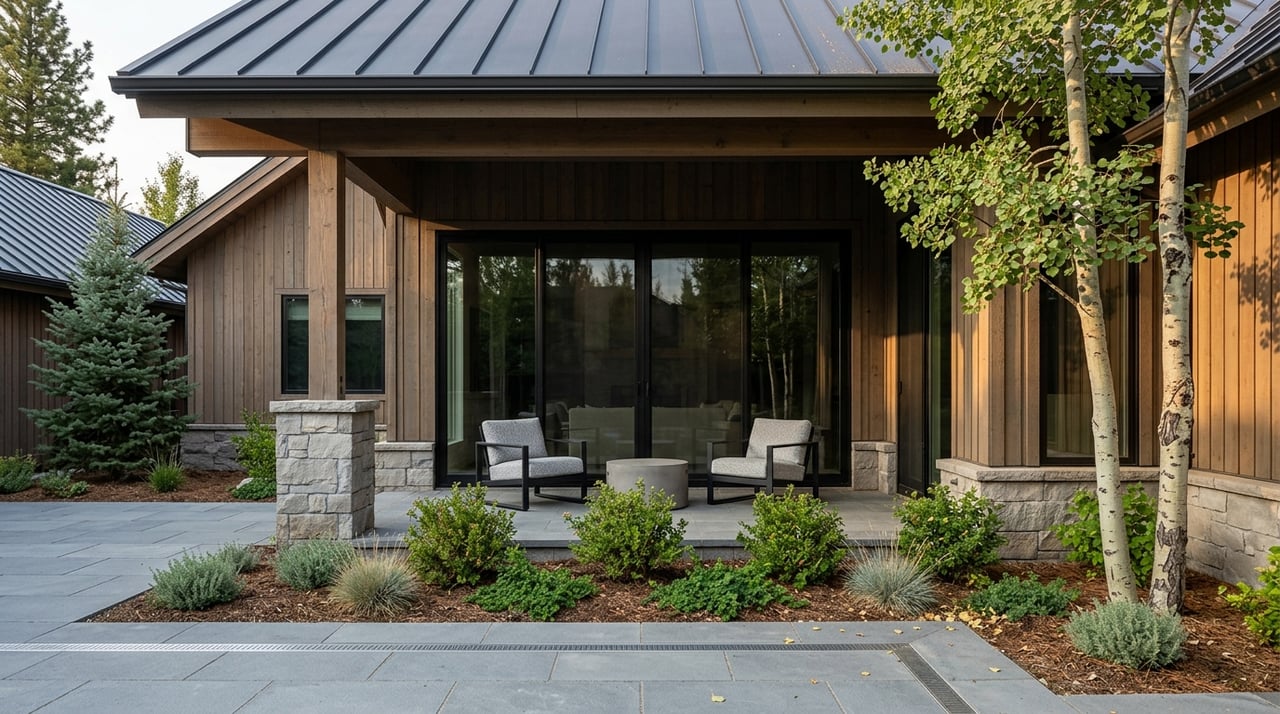
Start with decks, patios, balconies, and outdoor seating areas. These spaces should read like an extension of the home, not an afterthought. A well-staged deck can help buyers imagine morning coffee, outdoor dining, or relaxed evenings after a hike or bike ride.
Keep outdoor styling clean and simple. Define one dining zone and one lounging zone if space allows, and avoid blocking mountain or trail views with bulky furniture or decor. The goal is to help buyers picture the space in both summer and ski season.
Summer features to highlight
- Outdoor dining space
- Lounge seating with a calm, uncluttered layout
- Shade where possible
- Bike storage or a clear place for bikes to go
- Durable, easy-clean outdoor surfaces
- A deck or patio that feels like an extra living room
Do not forget shoulder season
Some of the most effective prep happens between winter and summer themes. Park City’s summer season typically runs from about May through October, and trails reach elevations up to 10,000 feet, so weather can change across the season. Buyers are used to that, and they respond well to homes that feel comfortable in a range of conditions.
That is why shoulder-season livability matters. A home staged only for powder days can feel too narrow in its appeal. Instead, show flexible spaces that work for gathering, reading, remote work, movie nights, or hosting overnight guests.
This is especially useful in condos and townhomes, where every room needs to earn its keep. Natural light, simple layouts, and low-maintenance finishes can make a smaller footprint feel calm and practical. In larger homes, bonus rooms and secondary living areas should still feel purposeful, not empty.
Shoulder-season features to highlight
- Flexible gathering spaces
- Fireplaces or cozy conversation zones
- Media or bonus rooms
- Office and guest room flexibility
- Finishes that feel easy to maintain
- Natural light and open sightlines
Prioritize the rooms that matter most
If you are deciding where to spend time and money, start with the spaces buyers notice first. According to the National Association of REALTORS® 2025 staging report, 83% of buyers’ agents said staging made it easier for buyers to visualize a property as a future home. That is a strong reminder that presentation is not just cosmetic.
The same report found that the living room was the most important room to stage, followed by the primary bedroom and kitchen. Outdoor or yard space also ranked high. For a Lower Deer Valley listing, that usually means you should focus on the main gathering area, primary suite, kitchen or dining space, and deck or patio before turning to smaller secondary rooms.
A smart prep order often looks like this:
- Living room
- Primary bedroom
- Kitchen and dining area
- Deck, patio, or balcony
- Entry, mudroom, or gear storage area
- Secondary bedrooms or bonus spaces
Make storage part of the sales story
In a resort setting, storage is not a side detail. It is part of how buyers judge day-to-day livability. If your home lacks clear storage solutions, buyers may worry that the space will feel cluttered once skis, boots, helmets, bikes, and outdoor layers arrive.
The fix is often more about clarity than size. Show exactly where gear belongs. In condos and townhomes, vertical storage, wall hooks, compact benches, and a neat balcony can make a smaller home feel much more functional.
In single-family homes, staged mudrooms, garages, and dedicated gear rooms can carry real weight. They support the idea that the home is built for active use, not just occasional visits. In Lower Deer Valley, that is a meaningful selling point.
Use photos and video to tell the full story
Your listing media should show more than finishes and square footage. In a market like Lower Deer Valley, photos and video should help buyers understand how the property supports a four-season lifestyle. That is especially important for second-home buyers and out-of-area buyers who may first experience the property online.
The 2025 staging report found that photos were important to 88% of sellers’ agents, and videos were important to 47%. For your listing, that means the image set should do real work. It should help buyers picture both the home itself and the lifestyle around it.
At a minimum, include these in your marketing set:
- The main living area
- The primary suite
- The kitchen or dining area
- The deck, patio, or balcony
- One image that clearly shows storage or the entry zone
If your home has a strong summer angle, visual storytelling should reflect that. A clean outdoor scene or gear-ready setup can reinforce that the home works beyond ski season.
Help condos and townhomes compete
Not every Lower Deer Valley property is a large single-family home, and that is perfectly fine. Condos and townhomes can compete very well when they feel efficient, polished, and easy to use. In fact, buyers in resort markets often value convenience and low-maintenance living.
The key is to avoid making a smaller home feel overfilled. Use a lighter furniture plan, keep surfaces clear, and give every area a defined purpose. A compact balcony, organized entry, and thoughtful storage solutions can make a strong impression.
You also want to emphasize how the home connects to the neighborhood. Snow Park’s year-round activity, fare-free transit, nearby trails, and access to both mountain and water recreation all support the case for a smaller home that lives big because of its location.
The goal: a home that feels active year-round
The best Lower Deer Valley listings do not sell a single season. They sell a way of living in Park City that feels easy, flexible, and rewarding throughout the year. When your home shows winter function, summer comfort, and shoulder-season versatility, buyers can picture more reasons to own it.
That is especially important in a market shaped by recreation, convenience, and second-home decision-making. A well-prepared home helps buyers move from admiring the area to imagining their own routines there. If you want tailored advice on how to position your Lower Deer Valley property for today’s buyers, connect with Wayne Levinson.
FAQs
What makes a Lower Deer Valley home appealing after ski season?
- Lower Deer Valley benefits from year-round features at Snow Park, broad trail access in Park City, fare-free transit, and nearby recreation at Jordanelle and Deer Creek, so buyers often look for homes that also support summer and shoulder-season use.
Which rooms should sellers stage first in Lower Deer Valley?
- The best first priorities are usually the living room, primary bedroom, kitchen or dining area, and deck or patio, since those spaces tend to carry the most weight with buyers.
How much gear storage do Lower Deer Valley buyers expect?
- Buyers usually want to see a clear, organized place for skis, boots, helmets, poles, bikes, and wet gear, even if the storage area is compact.
How can a Lower Deer Valley condo compete with a larger home?
- A condo or townhome can compete by showing efficient storage, a tidy entry, flexible living space, a clean balcony or patio, and a low-maintenance setup that fits the area’s active lifestyle.
Why should listing photos show more than winter features in Lower Deer Valley?
- Because many buyers view Lower Deer Valley as a year-round resort area, photos should help them picture how the home works for winter, summer, and shoulder-season living.