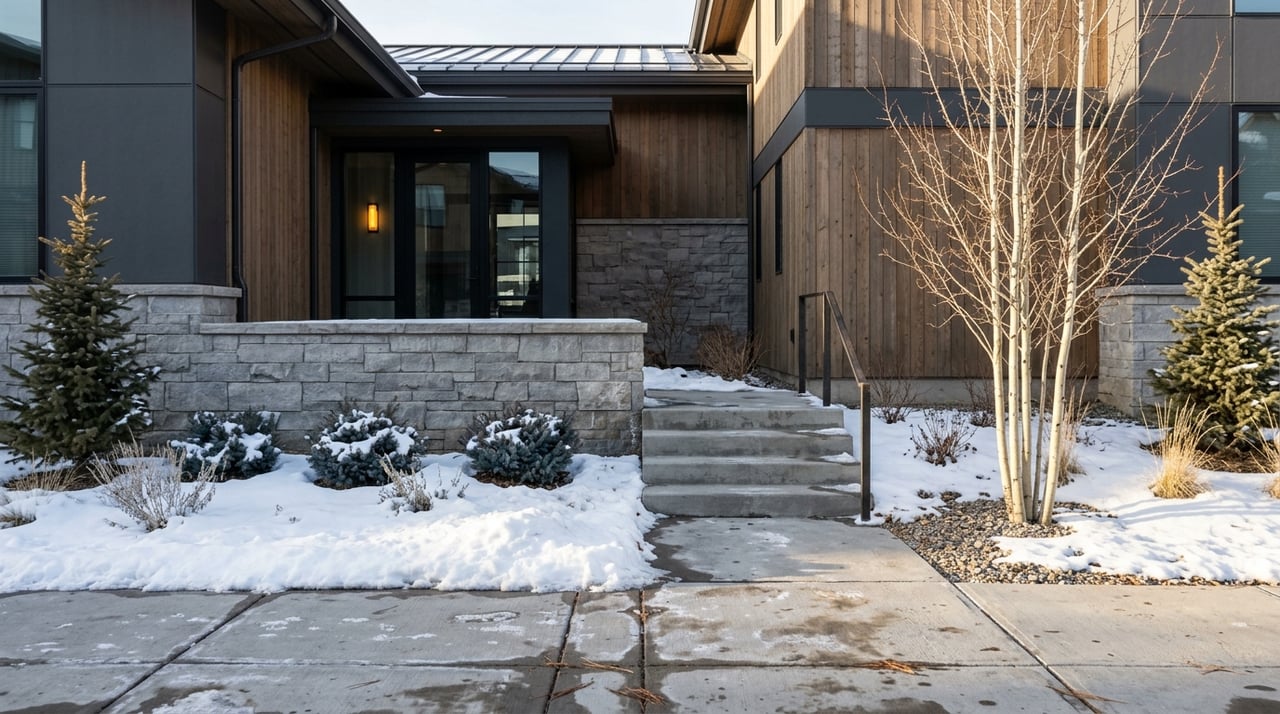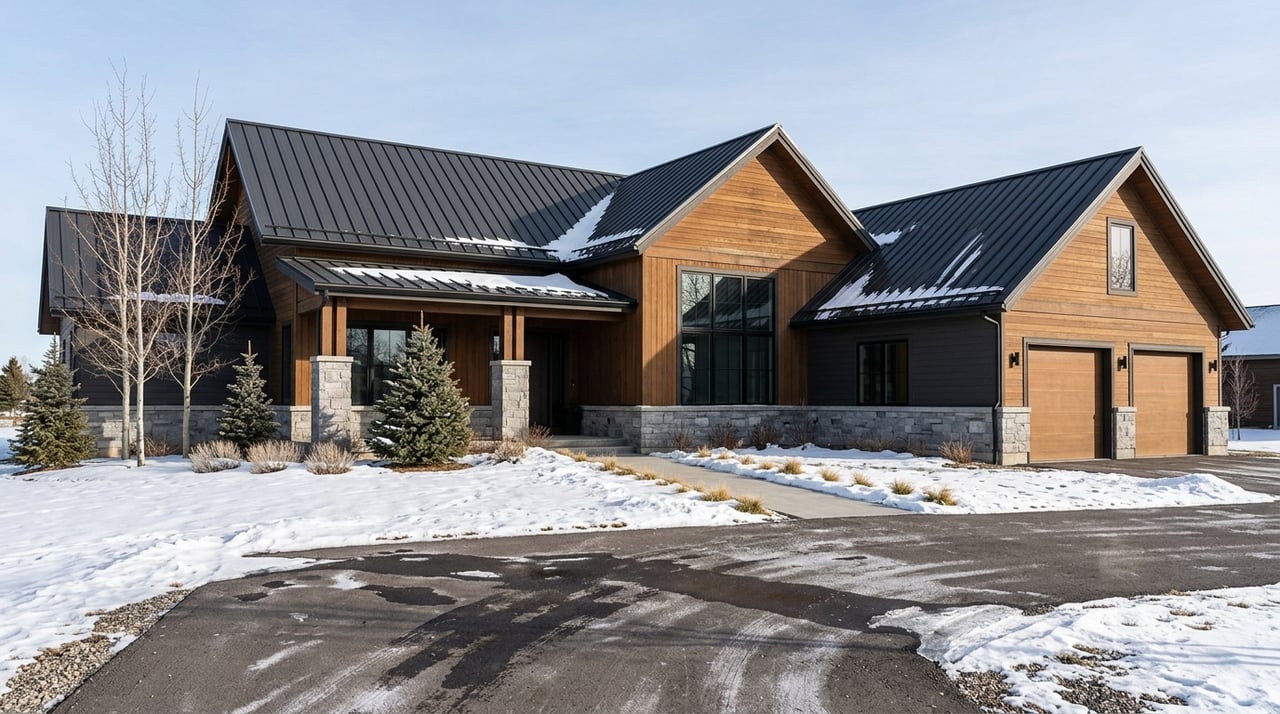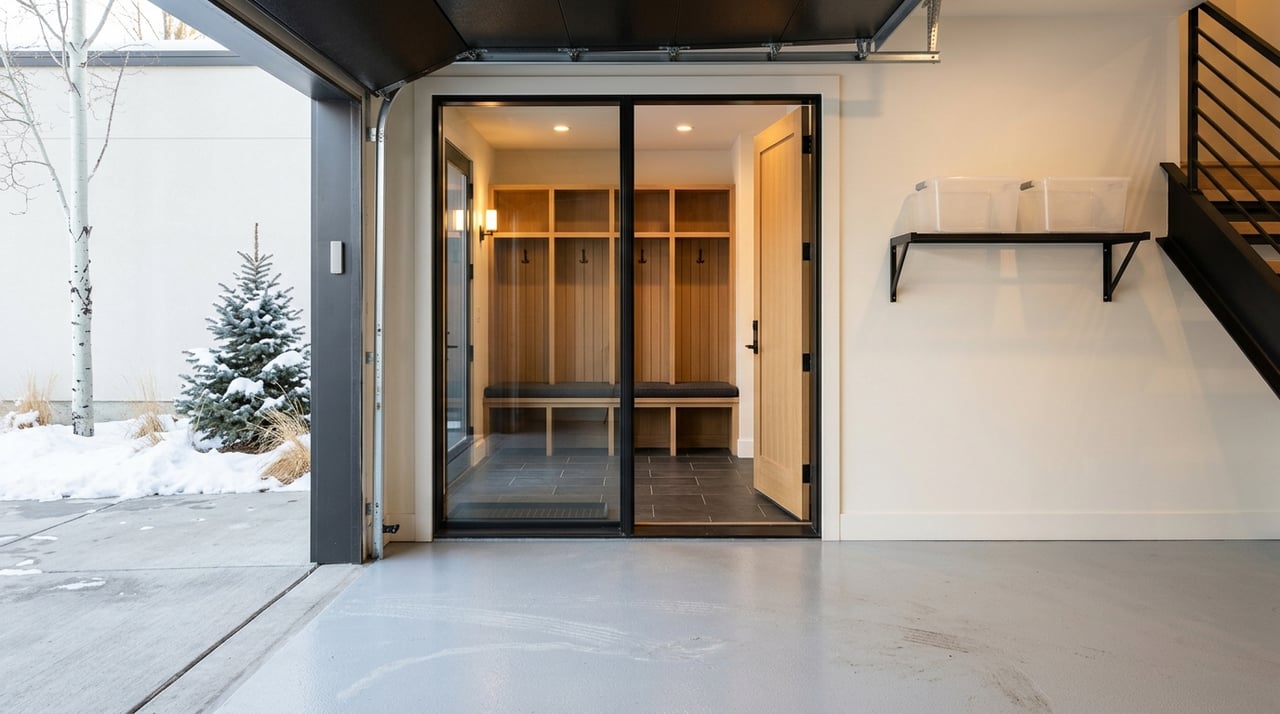
If you are deciding between a condo and a townhome in Lower Deer Valley, the right answer usually comes down to one thing: how you want your Park City time to feel. Some buyers want a true lock-and-leave home base near Snow Park. Others want a little more privacy, a more house-like layout, and more direct control over the property. This guide will help you compare both options in practical terms so you can choose with more confidence. Let’s dive in.
Why Lower Deer Valley Feels Different
Lower Deer Valley is not a typical full-time residential area. Park City’s 2025 General Plan snapshot shows a small population, a low share of owner-occupied and renter-occupied homes, and a large share of units counted as vacant, which the city says includes second homes and short-term rentals.
That matters because buyer priorities here often look different from those in a year-round neighborhood. In Lower Deer Valley, convenience, seasonal use, rental rules, transit access, and HOA structure can matter just as much as square footage or bedroom count.
Condos vs Townhomes in Utah
In Utah, the legal setup matters more than the marketing label. The Utah HOA homebuyer checklist makes it clear that you should not assume what you own, or what the HOA maintains, based only on how a property looks from the outside.
A condo and a townhome may both offer shared walls and HOA dues, but the ownership structure can be very different. That is why reading the CC&Rs, bylaws, and resale documents is one of the most important steps in your decision.
What you usually own in a condo
With a condo, you typically own the interior of the unit, often described in Utah guidance as ownership from the paint in. The HOA usually maintains the building structure, roof, exterior walls, hallways, elevators, and other shared spaces.
Balconies and patios are often limited common areas. That usually means the association owns them, but only your unit has the right to use them.
What you usually own in a townhome
With a townhome, you usually own the entire structure and may also have a small private yard or patio. Utah guidance notes that owners often handle the interior, HVAC, and plumbing inside the unit, while the HOA commonly maintains exterior surfaces, roof areas, streets, sidewalks, and landscaping.
That said, each community can handle responsibilities differently. Shared walls, roof sections, and exterior components can still involve the HOA, so the governing documents are what really count.
Why Condos Appeal in Lower Deer Valley
For many buyers in Lower Deer Valley, condos are appealing because they fit the area’s resort-oriented lifestyle. In a market with a strong second-home presence, a condo often lines up with buyers who want easy arrivals, easy departures, and fewer day-to-day maintenance tasks.
If you picture flying in for ski weekends, holiday stays, or a few longer visits each year, a condo may feel simpler to manage. In many communities, the HOA is handling a larger share of the exterior and building upkeep, which can reduce the amount of coordination on your end.
Condo advantages to consider
- Lower day-to-day maintenance responsibility
- Often well suited for lock-and-leave ownership
- HOA may cover major exterior and common-area upkeep
- May align well with buyers focused on convenience near the base area
Condo tradeoffs to watch
- Less privacy in many buildings
- Shared hallways, entries, or elevators may be part of daily use
- HOA rules and dues can shape how you use the property
- Parking and outdoor space should never be assumed
Why Townhomes Appeal in Lower Deer Valley
Townhomes usually attract buyers who want a little more separation and a more residential feel. If you want a layout that feels closer to a standalone home, or you simply value having fewer shared interior spaces, a townhome may be the better fit.
In Lower Deer Valley, that can be especially attractive if you plan to stay for longer stretches or want a property that feels more private when family or guests are in town. You may also prefer the added sense of control that comes with owning more of the structure.
Townhome advantages to consider
- More privacy than many condo setups
- More house-like feel and layout
- Potential for private outdoor areas such as patios or small yards
- Greater sense of direct ownership over the structure
Townhome tradeoffs to watch
- More maintenance responsibility may fall on you
- HOA coverage can still vary widely by community
- Exterior and structural duties may be more complex than with a condo
- Rental and parking rules still need to be verified carefully
Access and Convenience Around Snow Park
Location matters in Lower Deer Valley, and Snow Park plays a big role in that equation. Deer Valley identifies Snow Park as the premier base area, close to Snow Park Lodge and about a mile from Historic Main Street, with shuttle and transit access available year-round.
Park City states that every neighborhood and Deer Valley Resort are accessible through the free bus system. Deer Valley also offers Deer Valley Direct on-demand ride service in the resort area and Historic Park City, and resort-managed residences may have access to that service as well.
For buyers comparing condos and townhomes, this can affect daily convenience in a real way. A condo closer to base-area activity may deliver very easy ski access and transit connections, while a townhome in a quieter pocket may offer more privacy but a slightly different arrival and circulation experience.
Transit is worth checking before you buy
Transit service can change by season. Park City’s winter service materials include Deer Valley routes such as Deer Valley Express and route 4 Orange between Snow Park and Silver Lake during peak periods, while the city continues to publish current route information for the active network.
If shuttle access is high on your wish list, it is smart to confirm current service patterns before you make a move. That is especially true if you expect to rely on transit during ski season or prefer to minimize car use.
Snow Park Changes Could Influence Your Choice
Lower Deer Valley is also evolving. Park City planning materials state that Phase I of the Snow Park Village parking structure was approved in February 2025, and city documents note prior public-private partnership actions that affected portions of Deer Valley Drive near the Snow Park base.
For buyers, that does not automatically make one property type better than the other. It does mean you should look closely at how nearby redevelopment, parking patterns, traffic circulation, and construction timing could affect convenience now and resale perception later.
HOA Costs, Services, and Special Assessments
HOA dues can cover a lot in resort communities. Utah guidance notes that dues may fund snow removal, trash, water, roads, pool upkeep, and clubhouse maintenance, among other shared services.
That can make a condo or townhome feel much easier to own, but dues are only part of the picture. Special assessments can still happen, so you want to understand not just the monthly number, but what is included and what major projects may be on the horizon.
Questions to ask about HOA coverage
- Does the HOA handle snow removal?
- Who pays for roof work and exterior repairs?
- Are water and trash included?
- What roads, sidewalks, or landscaping are maintained by the association?
- Have there been recent or planned special assessments?
Rental Rules Matter More Than Many Buyers Expect
If rental income or flexibility is part of your plan, you need to check both city rules and HOA rules. Park City requires a Nightly Rental License for stays under 30 days if zoning allows that use.
At the same time, Utah guidance states that HOAs may prohibit or limit rentals and may impose minimum stay requirements or other conditions even when the city allows rentals. In other words, city permission does not override community rules.
Rental questions to verify early
- Are nightly rentals allowed in the community?
- Is there a minimum lease term?
- Does the property need a Nightly Rental License?
- Are there occupancy, parking, or operational limits tied to rentals?
- Have the HOA rental rules changed recently?
Parking Can Be a Bigger Issue Than Expected
In resort markets, buyers sometimes assume parking comes with the property in a straightforward way. Utah’s HOA guidance says assigned parking can be a limited common area, which means the rights should be verified in the governing documents and resale package.
That is true whether you are buying a condo or a townhome. You should confirm whether parking is assigned, deeded, shared, covered, or guest-only, and whether there are enough spaces for your typical use.
Which Option Fits You Best?
A condo may fit you best if you want a simple second home, lower routine maintenance, and easy access to base-area activity. That can be a strong match for buyers who plan to visit seasonally and want a service-oriented ownership experience in a resort-focused market.
A townhome may fit you best if you want more privacy, a more residential feel, and a stronger sense of direct control over the property. That can be especially appealing if you expect longer stays, host often, or simply prefer a quieter day-to-day setup.
In Lower Deer Valley, the better choice usually depends less on the label and more on how you plan to use the property. Your ideal fit comes from matching ownership structure, access, upkeep, parking, and rental flexibility to your actual lifestyle goals.
If you want help comparing specific communities, HOA documents, or rental-use scenarios in Lower Deer Valley, Wayne Levinson can help you narrow the options and find the right fit for your Park City goals.
FAQs
What is the main difference between a Lower Deer Valley condo and townhome?
- In Utah, a condo usually means you own the interior of the unit while the HOA maintains more of the building and shared areas, while a townhome usually means you own the full structure with different maintenance responsibilities defined by the community documents.
Are condos in Lower Deer Valley better for second-home buyers?
- They often appeal to second-home buyers because they can offer a more lock-and-leave ownership experience, which fits Lower Deer Valley’s resort and second-home character.
Do Lower Deer Valley townhomes offer more privacy than condos?
- Townhomes often provide a more private, house-like feel with fewer shared interior spaces, though the exact layout and setting vary by community.
Can you use a Lower Deer Valley condo or townhome as a nightly rental?
- Possibly, but you need to confirm both Park City licensing requirements and the HOA’s rental rules, because community restrictions may be tighter than city rules.
Does every Lower Deer Valley property come with parking?
- No. Parking rights should be verified in the CC&Rs and resale documents because spaces may be assigned, deeded, shared, or treated as limited common areas.
Why does Snow Park access matter when choosing in Lower Deer Valley?
- Snow Park is a key base area with shuttle and transit connections, so proximity and circulation can influence convenience, seasonal access, and how the property fits your day-to-day use.