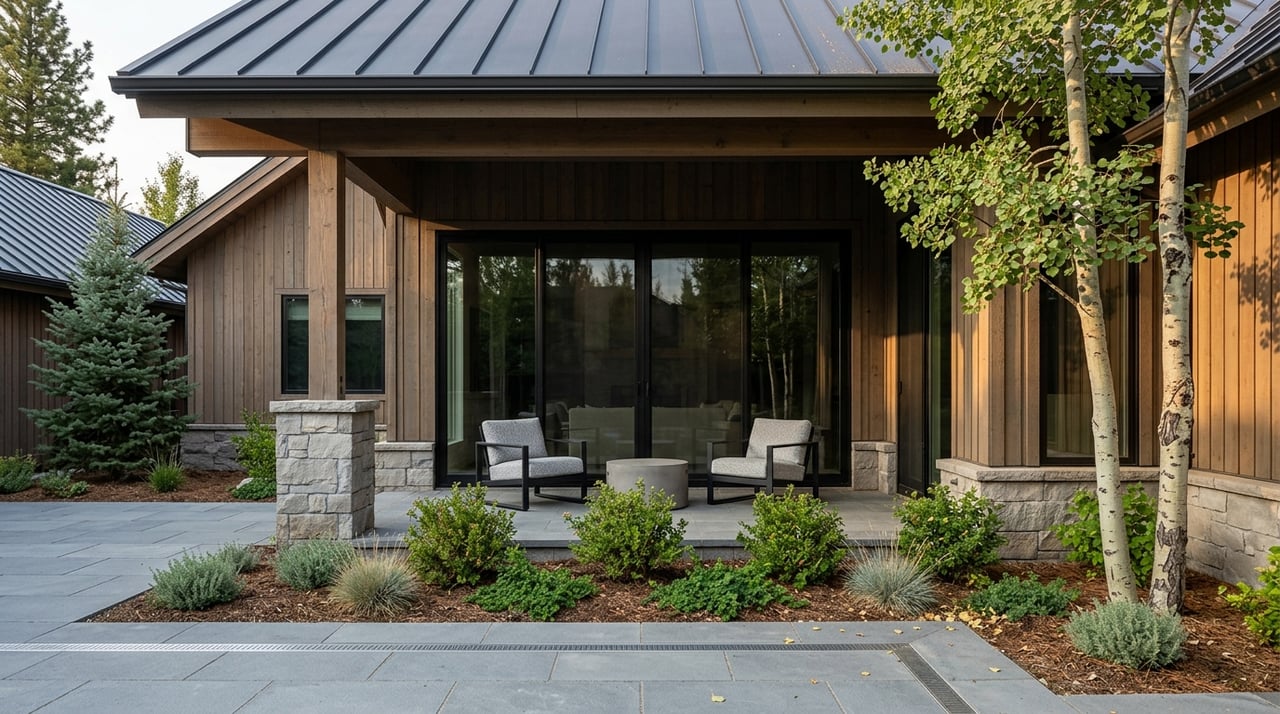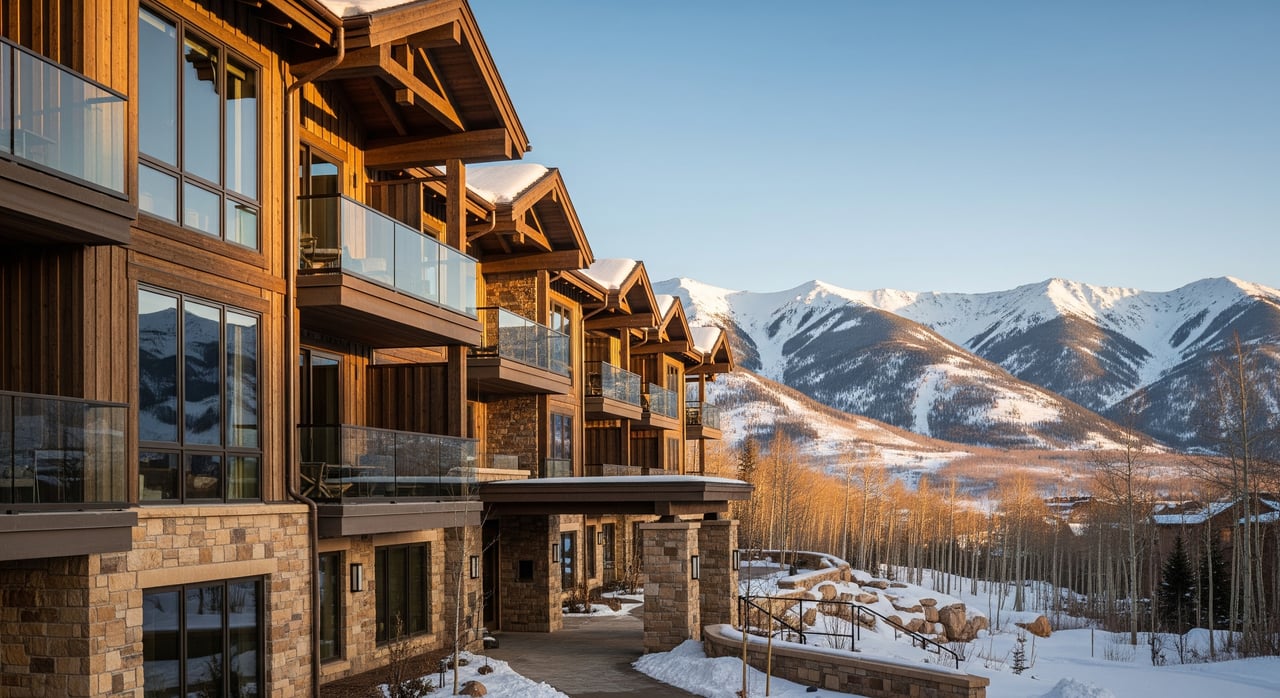
Dreaming of a slopeside condo-hotel near Canyons Village or Deer Valley, but unsure how to finance it? You are not alone. Many condo-hotel projects in Summit County do not fit conventional loan boxes, which can surprise even experienced buyers. In this guide, you will learn why that happens, what loan options do work, and how to prepare a winning file so your lender says yes. Let’s dive in.
What a condo-hotel means here
In Park City and the surrounding Summit County resort market, a condo-hotel is a condominium project where units are individually owned but marketed and operated like hotel rooms. You often see a centralized front desk, shared amenities, and a rental management program that handles nightly or weekly stays. Lenders focus on the transient occupancy model, the presence of a hotel operator or brand, and how hotel services are embedded in the HOA. These features drive how a loan is underwritten and whether a project qualifies for certain programs.
Seasonality also matters. Rental income in Canyons Village and Deer Valley is strongest in peak ski periods, then it drops in shoulder seasons. Underwriting needs to account for both peaks and troughs, plus realistic operating expenses. Your lender will ask for documents that prove income stability and compliance with local rules.
Why conventional loans often fail
Conventional loans backed by Fannie Mae and Freddie Mac apply strict project eligibility rules. Projects that look and operate like hotels, motels, or timeshares are usually considered ineligible. Mandatory rental programs, heavy hotel-style services, and large commercial components are common reasons condo-hotels do not pass a standard project review. Many condo-hotels are treated like commercial or hotel properties rather than residential condos for these purposes.
Common project flags
- Transient occupancy as the primary use, such as nightly rentals.
- Mandatory rental pools or management agreements that limit owner control.
- Significant commercial area, often flagged when non-residential space exceeds about 25 percent of the total project area.
- High investor or single-entity ownership concentration.
- HOA litigation, delinquency issues, special assessments, or weak reserves.
Rare exceptions
Some mixed-use or mixed-feature projects can pass a project review if documents show clear owner control, adequate reserves, and flexibility to operate as traditional condos. Local lender overlays and case-by-case waivers can shape outcomes, but for most condo-hotel units in this market, standard retail Fannie or Freddie financing is not available.
Two viable paths: portfolio and DSCR
If a conventional loan is off the table, two routes are common: portfolio loans from banks or credit unions that keep loans on their books, and DSCR loans that focus on property cash flow instead of W-2 income.
Portfolio loans explained
Portfolio lenders can be more flexible with condo-hotel projects. They will review HOA budgets, rental management agreements, and operator contracts, then tailor terms to the deal. Expect shorter terms, often 5 to 10 years, sometimes with adjustable rates, and pricing above conforming mortgages. Down payments are typically higher, commonly 20 to 35 percent or more, and personal guarantees may be required.
You will still need strong documentation. Lenders will ask for HOA financials, reserve studies, unit rental history or pro formas, and legal documents. They may also request an independent look at the project’s market and operator strength.
DSCR loans explained
A DSCR loan underwrites the property’s net operating income against the mortgage payment. Many programs look for a minimum DSCR in the 1.0 to 1.25 range, depending on risk. Because the income approach drives approval, DSCR loans can fit condo-hotel units where the rental history supports the payment.
Rates and fees are usually higher than conforming loans, and loan-to-value caps often land in the 60 to 75 percent range. Lenders will likely require meaningful cash reserves and may escrow funds to cover seasonality and capital items. Personal income documentation is often limited, which can be attractive if you are an investor with variable or non-traditional income.
What lenders review
Lenders evaluate the project, the unit, and you as the borrower. Preparing these items early can save weeks and strengthen your negotiating position.
Project documents
- HOA governing documents: CC&Rs, bylaws, and rules.
- HOA financials: current budget, reserve study, and 12 to 24 months of statements.
- HOA meeting minutes and disclosures on litigation or assessments.
- A breakdown of commercial or hotel space and how those operations function.
- Owner occupancy and investor concentration data.
- Rental policies: whether rentals are mandatory or optional, minimum stay lengths, and enforcement rights.
- Hotel/operator agreements, including any franchise flags, master leases, or revenue-share terms.
- Evidence of short-term rental licensing and transient room tax compliance under local ordinances.
Unit and borrower documents
- Historical rental income for the unit, with occupancy and average daily rate if available.
- HOA dues history and confirmation of no material delinquencies.
- An appraisal suited to resort condo-hotel valuation that considers income and comparable sales.
- Proof the unit complies with building and municipal short-term rental codes.
- Your credit profile, liquidity, and plan to cover off-season cash flow.
- For DSCR: a rental P&L, proof of reserves, and property management experience if you plan to self-manage.
- Proof of down payment and clean title consistent with hotel operations.
Reserves, escrows, and protections
Most lenders will want you to close with meaningful cash reserves. It is common to see 6 to 12 months of PITI for condo-hotel investments. Lenders will also examine HOA reserves and may ask for supplemental reserves or escrowed contributions if they are low.
Expect a plan for capital replacements like roofs or mechanicals, and potentially an escrow for near-term projects. In highly seasonal buildings, a rent loss or operating shortfall reserve may be required. Some lenders add reporting requirements, such as quarterly operating statements or occupancy updates.
Appraisal and valuation in resort markets
Valuing a condo-hotel unit involves both lifestyle and income. Appraisers familiar with Park City resort inventory will look at comparable condo-hotel sales and, when possible, an income approach using stabilized occupancy and ADR. Operator-provided performance reports help the appraiser model realistic cash flows.
Lenders also consider downside scenarios. If a branded operator leaves or rental restrictions tighten, income can decline. Underwriters may ask for a market rent analysis to understand what the unit could do in a forced-sale or reduced-income environment.
Local rules that shape underwriting
Park City and Summit County require short-term rental licensing and collection of transient room taxes. Some HOAs place restrictions on rentals, occupancy, or owner use. Lenders will want documentation that the unit and the project are in compliance, because these rules directly affect underwriting and valuation.
Your income story must match the rules on the ground. If minimum stay lengths change or rental caps are introduced, that can reduce projected income. Build in margin and update projections with your operator as rules evolve.
Structure your offer and timeline
Getting lender alignment early will save you time and stress. Start your financing work before you write an offer so you can meet tight resort-market timelines and negotiate with confidence.
Lender selection strategy
Target portfolio lenders and DSCR providers that have condo-hotel experience in Park City or similar resort markets. Ask for their typical LTV limits, minimum DSCR, reserve requirements, and whether they require recourse. Share the project documents upfront to get a preliminary read on eligibility.
Contingencies that protect you
Use a financing contingency specific to project acceptance, not just borrower approval. Make earnest money and inspection timelines contingent on your review of HOA financials, rental agreements, and operator contracts. Provide your appraiser with rental histories and comparable condo-hotel sales to support the income approach.
Quick comparison: conforming vs portfolio vs DSCR
| Feature | Conforming (Fannie/Freddie) | Portfolio | DSCR |
|---|---|---|---|
| Availability for condo-hotels | Rarely eligible | Common for qualified projects | Common if cash flow supports |
| Typical term | 15 to 30 years | 5 to 10 years, often adjustable | 30-year options, pricing premium |
| LTV range | Up to standard limits on eligible projects | Often 65 to 80 percent | Often 60 to 75 percent |
| Underwriting focus | Borrower income, strict project rules | Project strength, borrower credit/liquidity | Property NOI and DSCR |
| Rates/fees vs conforming | Baseline | Higher than conforming | Higher than conforming |
| Reserves | Standard on eligible projects | 6 to 12 months PITI common | Significant reserves and escrows |
| Documentation | Full borrower docs, project review | HOA, operator, and legal docs | Rental history, DSCR, reserves |
Your 10-day financing prep checklist
- Day 1 to 2: Request the full HOA packet, reserve study, budget, and meeting minutes.
- Day 1 to 3: Obtain rental program agreements, PMS statements, and unit ADR/occupancy history.
- Day 2 to 4: Confirm short-term rental license status and transient room tax compliance.
- Day 3 to 5: Share documents with targeted portfolio and DSCR lenders for a preliminary screen.
- Day 4 to 6: Gather your liquidity statements and proof of down payment; map your off-season cash plan.
- Day 5 to 7: Line up a resort-experienced appraiser through your lender; prepare comp packages.
- Day 6 to 8: Review HOA reserves and planned capital projects; discuss any seller or HOA escrows.
- Day 7 to 9: Draft offer language with project-specific financing contingencies.
- Day 8 to 10: Lock initial terms, confirm required reserves and reporting, and set appraisal timeline.
Next steps
Condo-hotel financing near Canyons Village and Deer Valley blends lifestyle goals with investor-grade underwriting. If you prepare early, choose the right lender, and back your offer with strong project data, you can secure the unit you want without surprises. If you want help matching properties to viable financing and assembling a lender-ready package, schedule a personalized Park City property consultation with Park-City.com.
FAQs
What makes a condo-hotel in Summit County hard to finance?
- Many projects operate with transient occupancy, hotel-style services, or mandatory rental programs, which fail conventional project rules and push buyers to portfolio or DSCR loans.
How does a DSCR loan work for a Park City condo-hotel?
- The lender underwrites the unit’s net operating income and looks for a minimum DSCR, often 1.0 to 1.25, with lower LTVs and higher reserves than conforming loans.
What down payment should I expect on a condo-hotel?
- Portfolio and DSCR programs often require 20 to 35 percent down or more, depending on the project’s risk, your credit profile, and the income history.
What reserves do lenders usually require for resort units?
- Many lenders want 6 to 12 months of PITI at closing, plus possible escrows for operating shortfalls and capital items if HOA reserves are thin.
Which documents should I gather before I apply?
- HOA CC&Rs and budget, reserve study, meeting minutes, operator agreements, rental histories with occupancy and ADR, proof of STR licensing and tax compliance, and your liquidity statements.
Can any condo-hotel in Park City qualify for a conventional loan?
- It is uncommon. A small number of mixed-use projects may pass a project review if they lack hotel features and meet strict rules, but most condo-hotel units will not qualify.