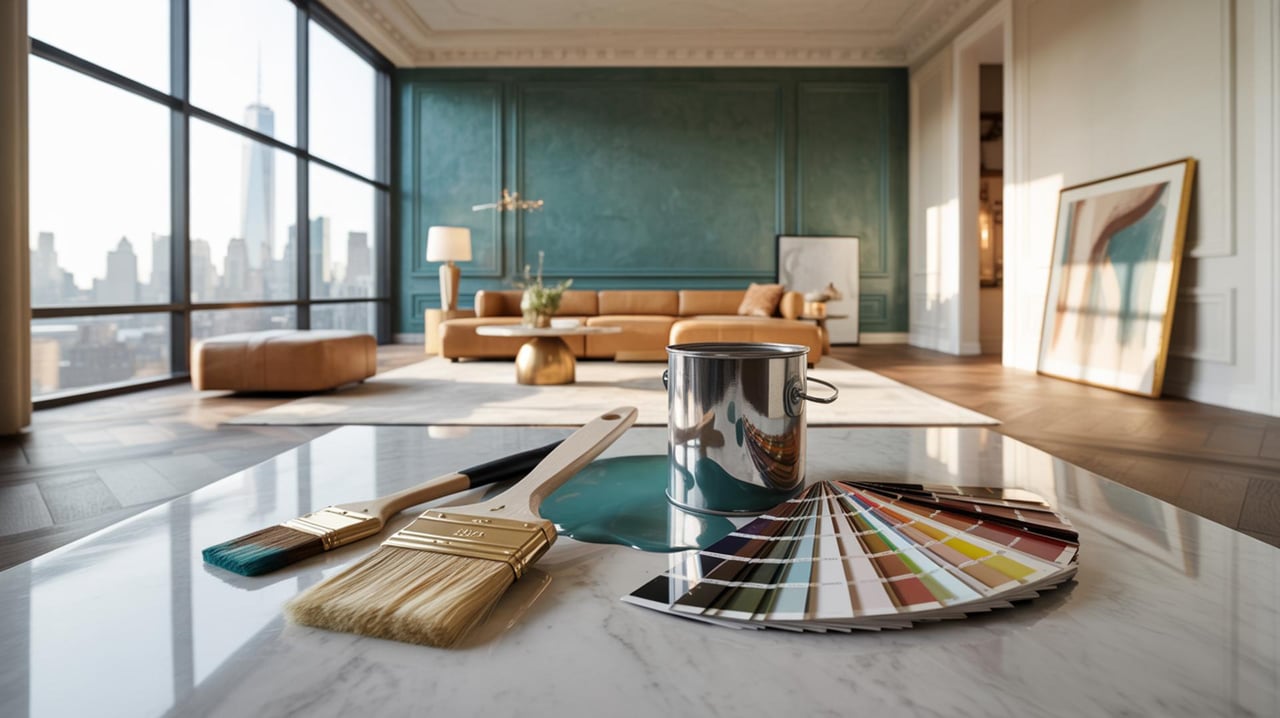
Transforming your home with the latest color trends can breathe new life into your living space, making it more inviting and reflective of your personal style. DIY color projects not only offer a cost-effective way to refresh your home but also allow for creativity and customization. Whether you're looking to make a bold statement or create a calming retreat, understanding the latest color trends and expert tips can guide you in making the best choices for your space.
Understanding Color Psychology
Color psychology plays a significant role in how we perceive and feel in a space. Different colors can evoke various emotions and moods, making it essential to choose hues that align with the atmosphere you want to create. For instance, blues and greens are known for their calming effects, making them ideal for bedrooms and bathrooms. On the other hand, vibrant colors like reds and oranges can energize a space, perfect for social areas like kitchens and living rooms. Understanding these psychological impacts can help you select colors that not only look good but also enhance the functionality of each room.
Choosing the Right Paint Finish
Selecting the right paint finish is just as important as choosing the color itself. Different finishes can affect the look and durability of the paint. For high-traffic areas like hallways and kitchens, a satin or semi-gloss finish is recommended due to its durability and ease of cleaning. In contrast, a matte or eggshell finish can be ideal for bedrooms and living rooms, offering a softer, more sophisticated look. Knowing the benefits of each finish can help you make informed decisions that enhance both the aesthetic and practicality of your home.
Incorporating Accent Walls
Accent walls are a popular trend that can add depth and interest to a room without overwhelming it with color. By painting one wall in a bold or contrasting color, you can create a focal point that draws attention and adds character. This technique is particularly effective in open-plan spaces, where it can help define different areas. When choosing a color for an accent wall, consider the existing color palette and select a shade that complements the other walls and furnishings.
Exploring Color Blocking Techniques
Color blocking is a creative way to use multiple colors in a single space, adding visual interest and dimension. This technique involves painting sections of a wall in different colors, creating geometric patterns or stripes. It's an excellent way to experiment with bold colors without committing to a single hue for an entire room. When implementing color blocking, it's important to use painter's tape to achieve clean, sharp lines and to plan the layout carefully to ensure a cohesive look.
Utilizing Neutrals for Balance
While bold colors can make a statement, neutrals are essential for creating balance and harmony in a space. Shades like white, gray, and beige provide a neutral backdrop that allows other colors to shine. They can also make a room feel larger and more open. Incorporating neutrals into your color scheme can help ground the space and prevent it from feeling overwhelming. Consider using neutrals on larger surfaces like walls and floors, while reserving bold colors for accents and accessories.
Experimenting with Textured Paints
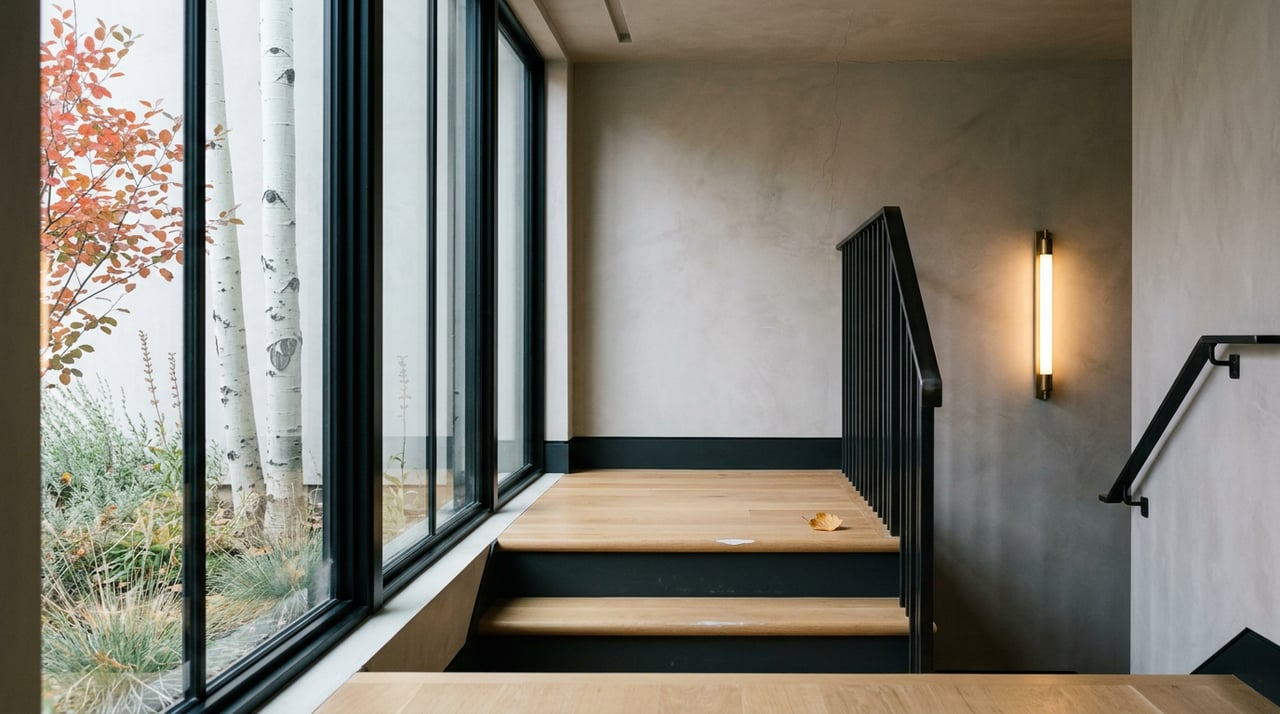
Textured paints offer a unique way to add depth and interest to your walls. These paints can mimic the look of materials like stone, wood, or fabric, adding a tactile element to your decor. Textured paints are particularly effective in creating feature walls or adding character to spaces like entryways and dining rooms. When using textured paints, it's important to follow the manufacturer's instructions carefully and to practice on a small area first to achieve the desired effect.
Incorporating Seasonal Color Trends
Staying up-to-date with seasonal color trends can keep your home looking fresh and modern. Each season brings new color palettes inspired by nature, fashion, and design. For example, spring might introduce pastel shades, while autumn could bring in warm, earthy tones. Incorporating these seasonal colors can be as simple as updating accessories like cushions, throws, and artwork. This approach allows for flexibility and keeps your decor dynamic and in tune with the latest trends.
Using Color to Highlight Architectural Features
Color can be a powerful tool for highlighting architectural features in your home, such as moldings, fireplaces, or built-in shelving. By painting these elements in a contrasting color, you can draw attention to them and add visual interest. This technique works particularly well in older homes with unique architectural details. When choosing colors, consider the overall style of your home and select shades that complement the existing decor.
Creating a Cohesive Color Palette
A cohesive color palette ensures that all the rooms in your home work together harmoniously. This doesn't mean every room needs to be the same color, but rather that the colors should complement each other and create a unified look. One way to achieve this is by selecting a base color and then choosing complementary shades for different rooms. This approach allows for variety while maintaining a sense of flow throughout the home.
Seeking Inspiration from Nature
Nature offers an endless source of inspiration for color schemes. The colors found in natural landscapes, such as the blues of the ocean, the greens of forests, and the warm tones of a sunset, can be translated into beautiful interior palettes. Bringing these colors into your home can create a serene and inviting atmosphere. Consider using nature-inspired colors in spaces where you want to relax and unwind, such as bedrooms and living rooms.
Transform Your Space Today
Incorporating the latest DIY color trends can truly transform your home into a vibrant and inviting space. With the expert tips we've shared, you can confidently refresh your interiors and express your personal style. Remember, a little color can go a long way in elevating your home's atmosphere. If you're looking for more personalized advice or assistance, don't hesitate to reach out to Wayne Levinson for expert guidance tailored to your needs.