Thinking about buying land in Daniel so you can spread out, keep horses, or build a private retreat? You’re not alone. Daniel sits on the south end of the Heber Valley and offers a rural setting that is hard to find close to Park City. The key is knowing how zoning, water, septic, and access affect what you can actually build. This guide gives you the 2025 essentials, links to official resources, and a simple checklist so you can move forward with confidence. Let’s dive in.
Why Daniel acreage appeals
Daniel is a small, rural municipality with limited large-parcel inventory and a tradition of agricultural use. Town discussions show that water and infrastructure are active local priorities, which directly affect land use and build costs. You get a quiet setting near Heber and Midway with big-sky views and space for outbuildings. The tradeoff is that each parcel requires careful verification before you decide it fits your plan.
Market snapshot for 2025
Real estate across the Wasatch Back has trended above statewide averages in recent years. For context, review the Park City Board of REALTORS quarterly update for current conditions in the region and Heber Valley areas. You should avoid pinning your plan to a single “Daniel median” since listings are few and small samples swing fast. Use regional data for context, then rely on parcel-level due diligence to judge value and feasibility.
- See the Park City Board of REALTORS Q1 2025 statistics for regional trends.
Zoning basics: RA-1 vs. RA-5
Most Daniel-area acreage falls in rural residential-agricultural zones. Wasatch County identifies standard districts used across the valley, including RA-1 and RA-5, along with Agricultural and Mountain categories. Start by confirming the exact zoning and any overlays on the county site.
- Review district names and intent on the county’s zoning information page.
What the label means and what you can build are not the same thing. You need to confirm three layers:
- Zoning label. RA-1 generally signals a 1-acre baseline. RA-5 signals a 5-acre baseline. That is only the starting point.
- Code rules. Setbacks, heights, accessory structures, and guest units are governed by county code. Some uses may need a conditional use permit.
- Physical parcel. Slopes, soils, floodplain, and hazards can shrink your usable envelope even if the zoning looks simple.
Water: culinary and irrigation
Water is often the most important factor in Daniel. Some parcels have municipal or community culinary connections. Others rely on private wells. Irrigation for pasture or large lawns typically comes from canal company shares, which are separate legal interests in Utah.
- Daniel Town minutes show active discussion of water system capacity, hookups, and storage. That is why you should confirm connection policy and fees with the town or district. See the Daniel Town council minutes.
- Irrigation shares can add significant value for livestock or hay. Verify shares and ownership with the Utah Division of Water Rights and the canal company that serves the parcel. Check contacts via the Division’s canal company list.
- Larger regional improvements, such as the Wasatch County Water Efficiency Project and Daniel Replacement Pipeline, changed how irrigation is delivered and conserved. Learn more on the project’s official overview.
Practical steps for water:
- Ask the seller for documentation: recorded water rights, irrigation share numbers, well logs, pump tests, and any municipal hookup permits.
- If relying on a private well, get recent yield and water quality testing. For community systems, ask for the current fee schedule, connection policy, and any waiting list.
- For projects that require land-use review, Wasatch County may ask for a Water Action Report to confirm feasibility. See the county’s submission checklists that reference this requirement in certain applications, such as the conditional-use application materials.
Septic and soils: what to verify
If a parcel is not on sewer, you will likely install a septic system. Utah’s onsite wastewater standards require site-specific feasibility, including percolation or soil testing. Local health departments and the county administer permits and inspections, especially for complex sites with shallow bedrock, high groundwater, or slope.
- See Utah DEQ’s Onsite Wastewater Program for rules and certified professionals.
A successful septic design raises both utility and value. No approval or a failed perc can reduce your buildable area or require engineered solutions. Plan time and budget for testing early in your due diligence.
Access, roads, and utilities
Access can be public or private. County-maintained roads simplify plowing and maintenance. Private roads and easements require you to confirm who pays for upkeep and whether access is year-round. Power, communications, and irrigation or pressurized lines often run in recorded easements that you need to locate and understand.
- Use the county’s mapping services to view parcels, zoning, and road layers. The Recorder’s tools help you preview plats and recorded easements.
Ask utility providers about line extensions, capacity, and any relocation costs. Meeting minutes in the area have documented cases where cables cross private property, which required coordination. You do not want those surprises after closing.
Outbuildings, barns, and ADUs
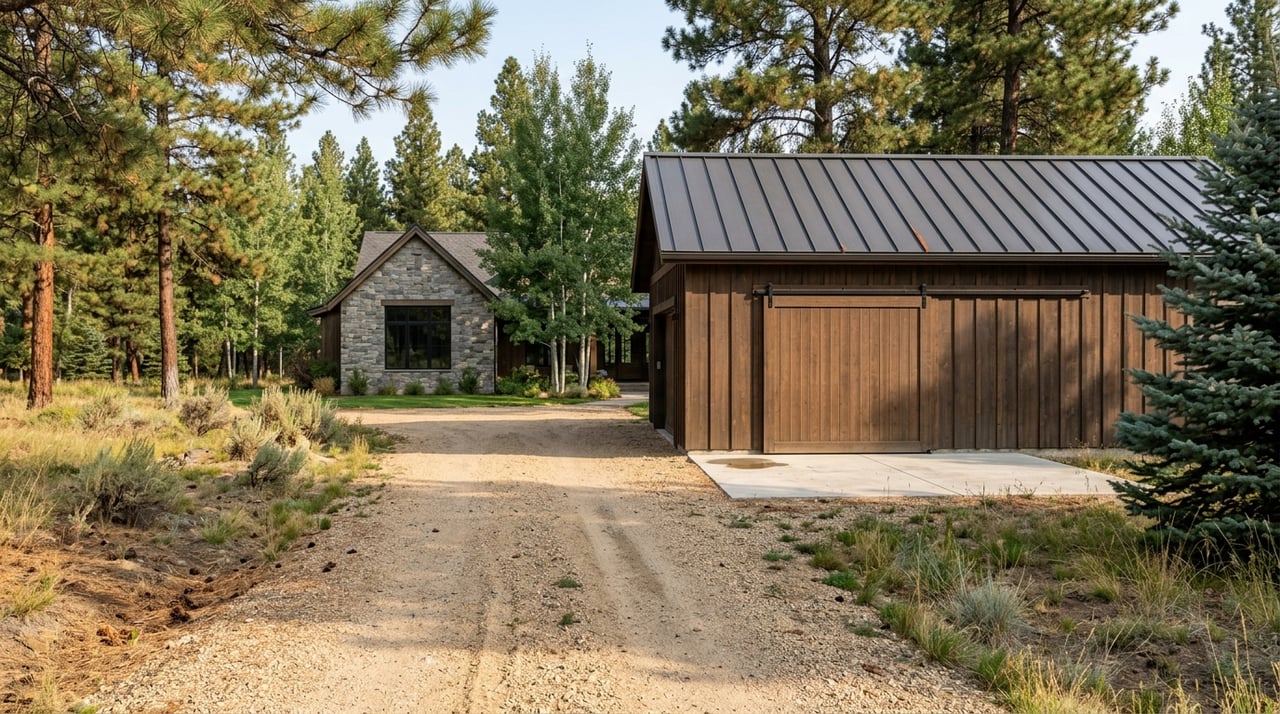
Accessory buildings are common on acreage, but they are not automatic. County code sets thresholds for building permits, and larger structures or guest units may require conditional use review. Agricultural buildings may have exemptions if they meet state definitions. Always confirm your intended barn, shop, or guest unit with planning staff before you rely on it.
- Recent planning records reference accessory building thresholds and conditional-use processes that apply to RA-1 and RA-5 parcels. See examples in the Planning Commission records.
Tip: Sketch your build program early. List home size, garage, barn, arena or turnout areas, and any guest unit. Then check setbacks, height limits, and overlays so you can size buildings to the true envelope.
What drives value on acreage
- Confirmed culinary water and septic approvals. Clean hookups or an approved onsite system often increase value compared to parcels that still need wells or engineered wastewater solutions.
- Irrigation shares. Verified and transferable shares raise value for pasture and agricultural use.
- Buildable envelope. Usable area after considering slope, hazards, septic feasibility, and setbacks is often the biggest driver. Two 5-acre parcels can have very different usable footprints.
- Access and maintenance. County roads are simpler than private easements. Year-round access is especially important in winter.
Buyer checklist: use this before you write an offer
- Jurisdiction
- Is the parcel inside Daniel town limits or in unincorporated Wasatch County? This affects who issues permits and which rules apply. Start with the county’s zoning information and mapping tools.
- Zoning and overlays
- Confirm the exact zone and any overlays that affect hazards or density. Request a zoning map printout and the relevant Title 16 code sections for your parcel.
- Water — domestic and irrigation
- Municipal or community hookup: What are the current fees and timing? Ask for the latest policy documented by the town or district. See prior town discussions in the Daniel Town minutes.
- Well: Obtain the well log, recent pump test, and quality results.
- Irrigation: Which company serves the parcel, what is the share number, and how many acre-feet per share? Verify via the Division’s canal company listing and confirm with the company.
- Septic or sewer
- If no sewer, has a soil or perc test been completed? Is there an engineered design? Use Utah DEQ’s Onsite Wastewater Program to understand standards and find certified designers.
- Access and roads
- Is access via a county-maintained road, private lane, or easement? Confirm plowing, maintenance, and liability. Use the county mapping services to check road status and recorded plats.
- Outbuildings and guest units
- What are the setbacks, heights, and permit thresholds for barns, shops, and ADUs? Will any use require a conditional use permit? See examples in the Planning Commission records and confirm with county planning.
- Title and encumbrances
- Order a title report to identify easements, covenants, and any recorded water-right transfers or liens. Cross-check against the county recorder’s mapping tools.
- Timelines and costs
- Ask planning staff about review timelines for CUPs, septic approvals, and mapping checks. For projects needing land-use approval, ask if a Water Action Report applies as outlined in county submission materials, such as the conditional-use application checklist.
Who to contact for verification
- Wasatch County Planning Department. Zoning, overlays, setbacks, CUPs, subdivision questions. Start at the zoning information page.
- Wasatch County Recorder and Mapping. Plats, recorded easements, road status, and parcel layers. Use mapping services.
- Daniel Town office. Municipal water connection policy, fees, and system status. Review prior town minutes and call staff for current policy.
- Utah Division of Water Rights. Irrigation company contacts and recorded water-right documents. Use the canal company list.
- Utah DEQ Onsite Wastewater Program. Septic standards and certified professionals. See the program overview.
Your next step
If Daniel’s open space and equestrian-friendly setting are calling you, lock down the specifics on the exact parcel before you fall in love. Verify zoning, map the true buildable envelope, confirm water and irrigation, and get septic feasibility on paper. A focused due diligence plan can turn a good-looking listing into a confident purchase.
Ready to evaluate acreage in Daniel? Let’s map parcels, pull records, and build a step-by-step acquisition plan tailored to your goals. Reach out to Wayne Levinson for a consultation.
FAQs
What should I verify first when buying Daniel acreage?
- Start with jurisdiction and zoning. Confirm whether the parcel is in Daniel or unincorporated Wasatch County, then pull the zone and any overlays using the county’s zoning and mapping tools.
How do I confirm irrigation shares in Heber Valley?
- Ask the seller for share certificates, then verify with the serving canal company and the Utah Division of Water Rights using the Division’s canal company directory.
Are guest houses or barns allowed on RA-1 or RA-5 lots?
- Many accessory buildings are allowed, but size and use can trigger permits or conditional use review. Confirm thresholds and setbacks with county planning before you rely on a design.
What septic rules apply if there is no sewer?
- Utah’s onsite wastewater standards require site-specific feasibility, soil or perc tests, and an approved design, which the county and local health department review and inspect.
How do private roads affect my purchase?
- Private roads and easements can shift plowing and maintenance costs to you and may involve access agreements, so confirm responsibilities and year-round access before closing.